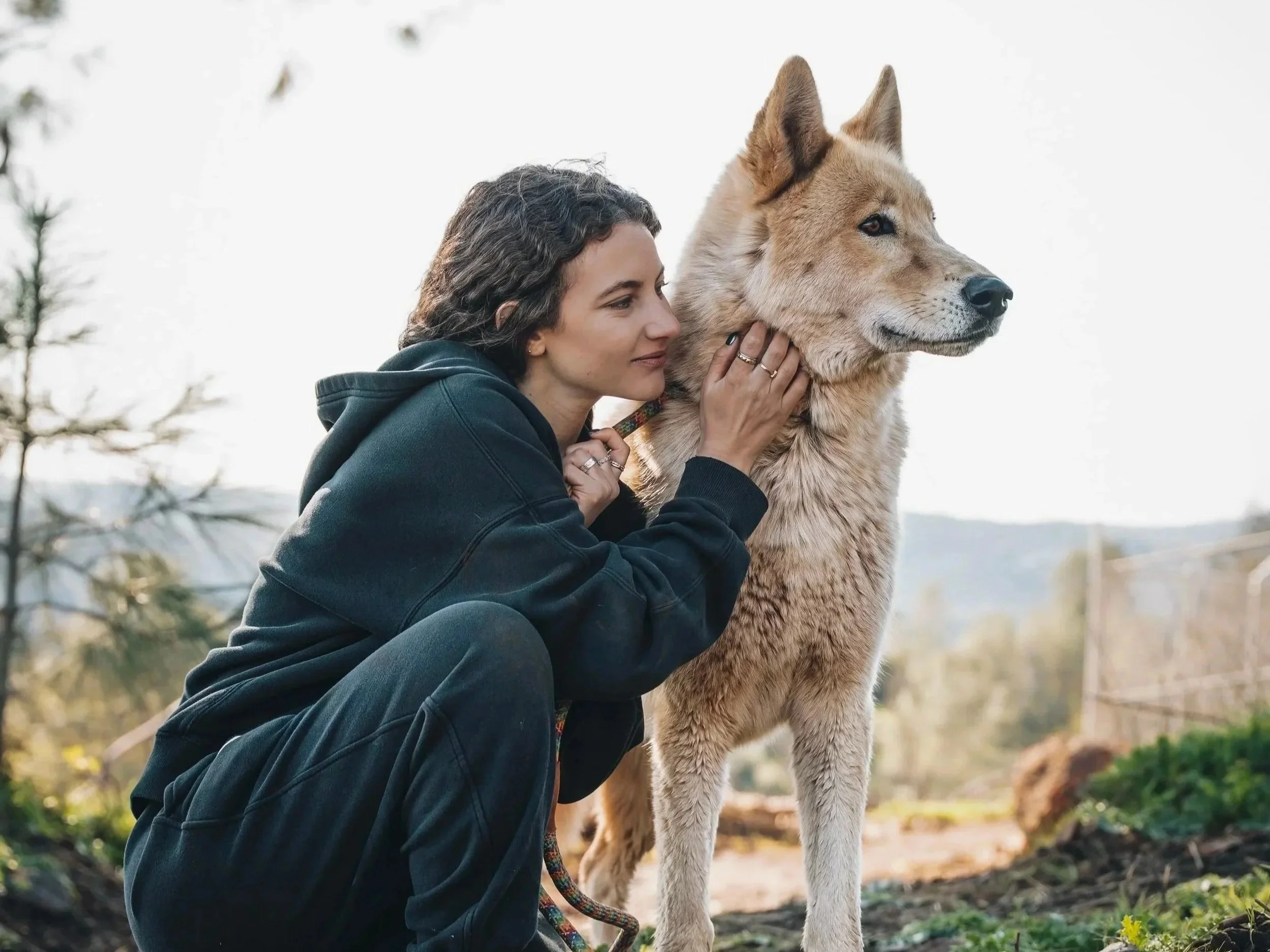
“Women and Wolves are relational by nature.”
-Dr. Clarissa Pinkola-Estes, Women Who Run With Wolves
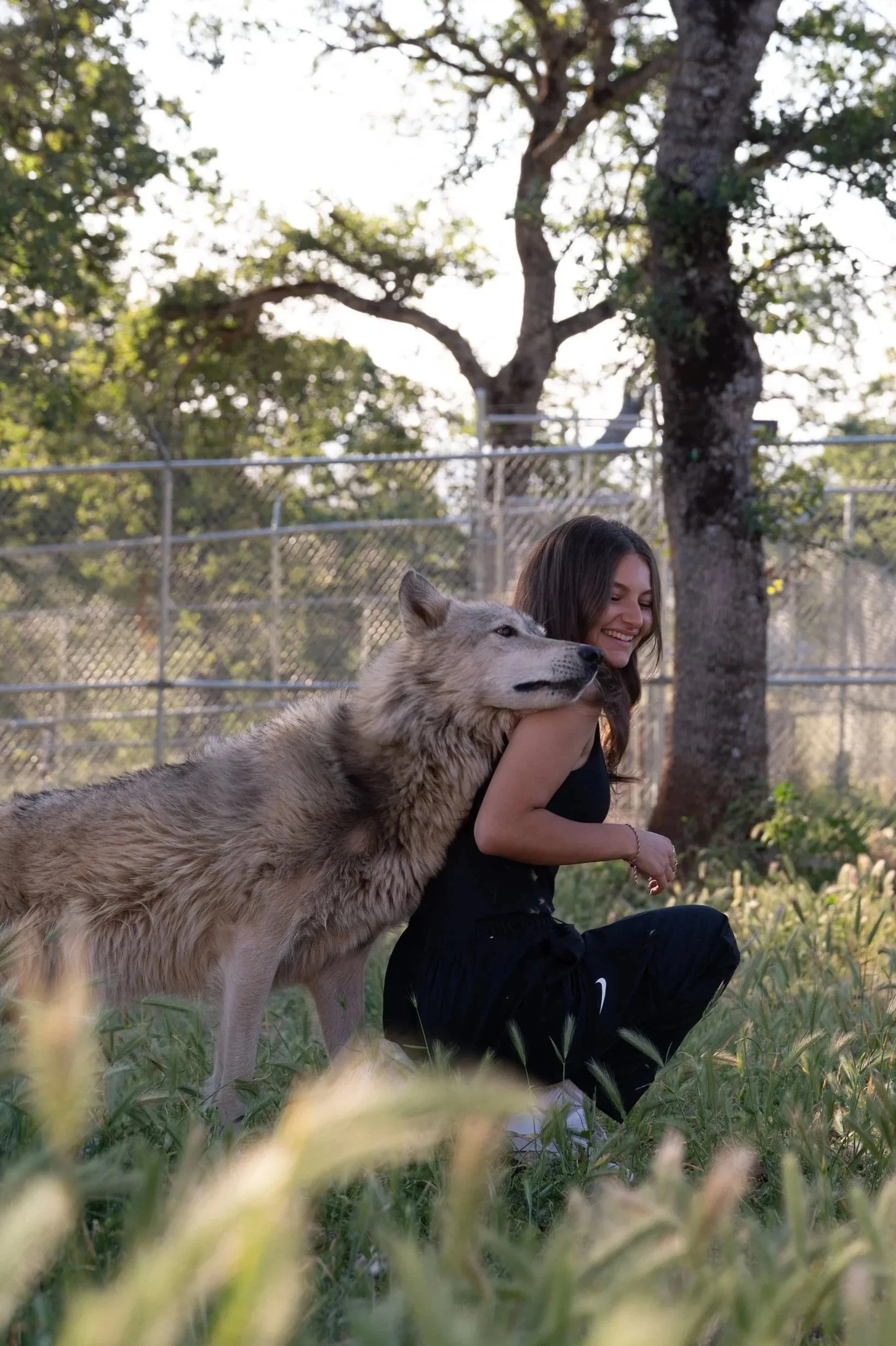
Women and wolves have been linked since the beginning of time—through mythology, cultural history, the evolution and domestication of dogs, and shared roles as protectors, teachers, & healers.
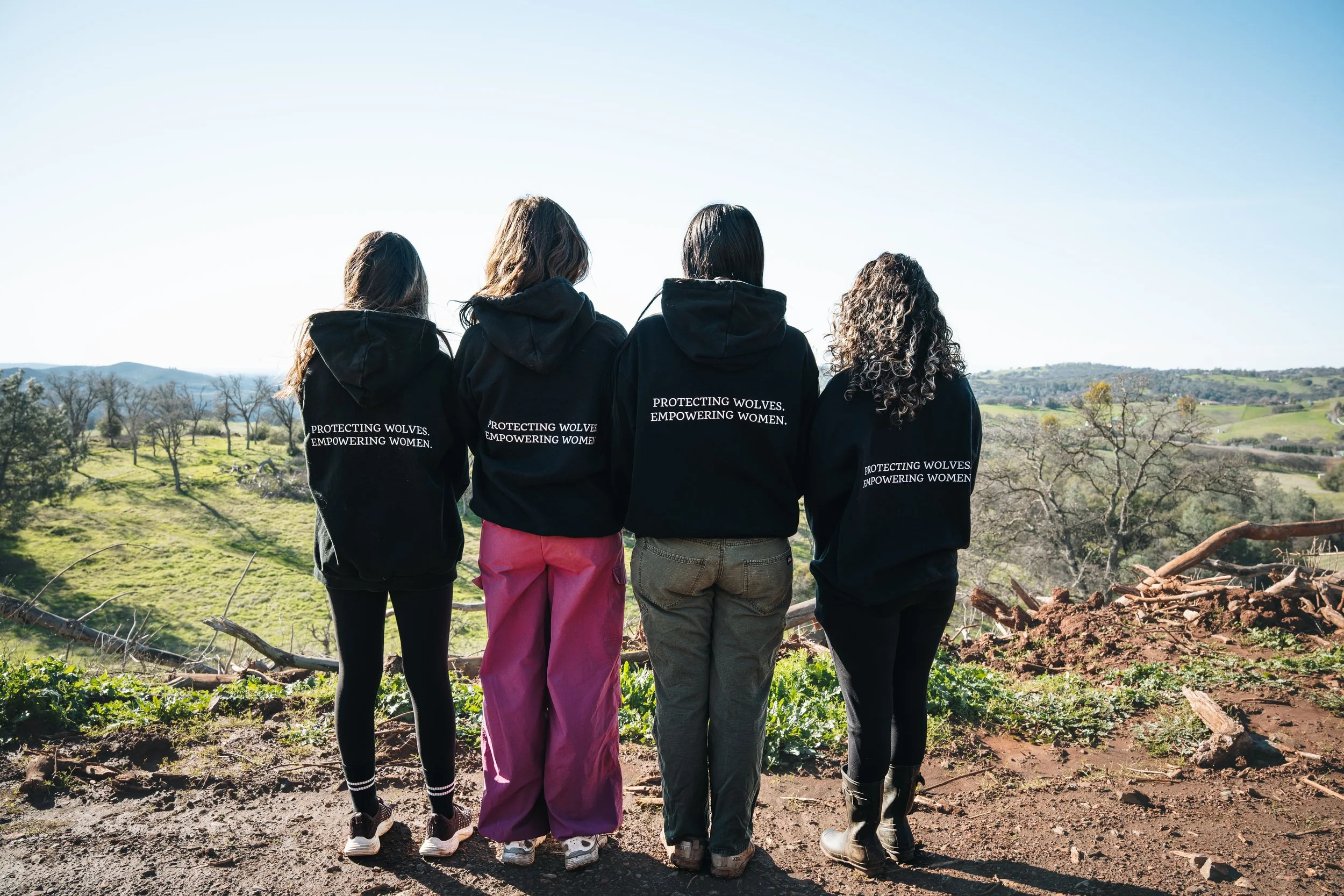
Our mission is to help women reconnect with nature through community, nature immersion, and art—because a healed woman is a woman who heals. And women are essential to protecting wolves and safeguarding our planet.
Women for Wolves events will be announced for 2026.
OUR 2025 impact:
6
Women board members.
200+
Volunteer hours.
5
Community empowerment events.
150+
Women served.
4
Research & educational grants awarded.
10+
Artists platformed.
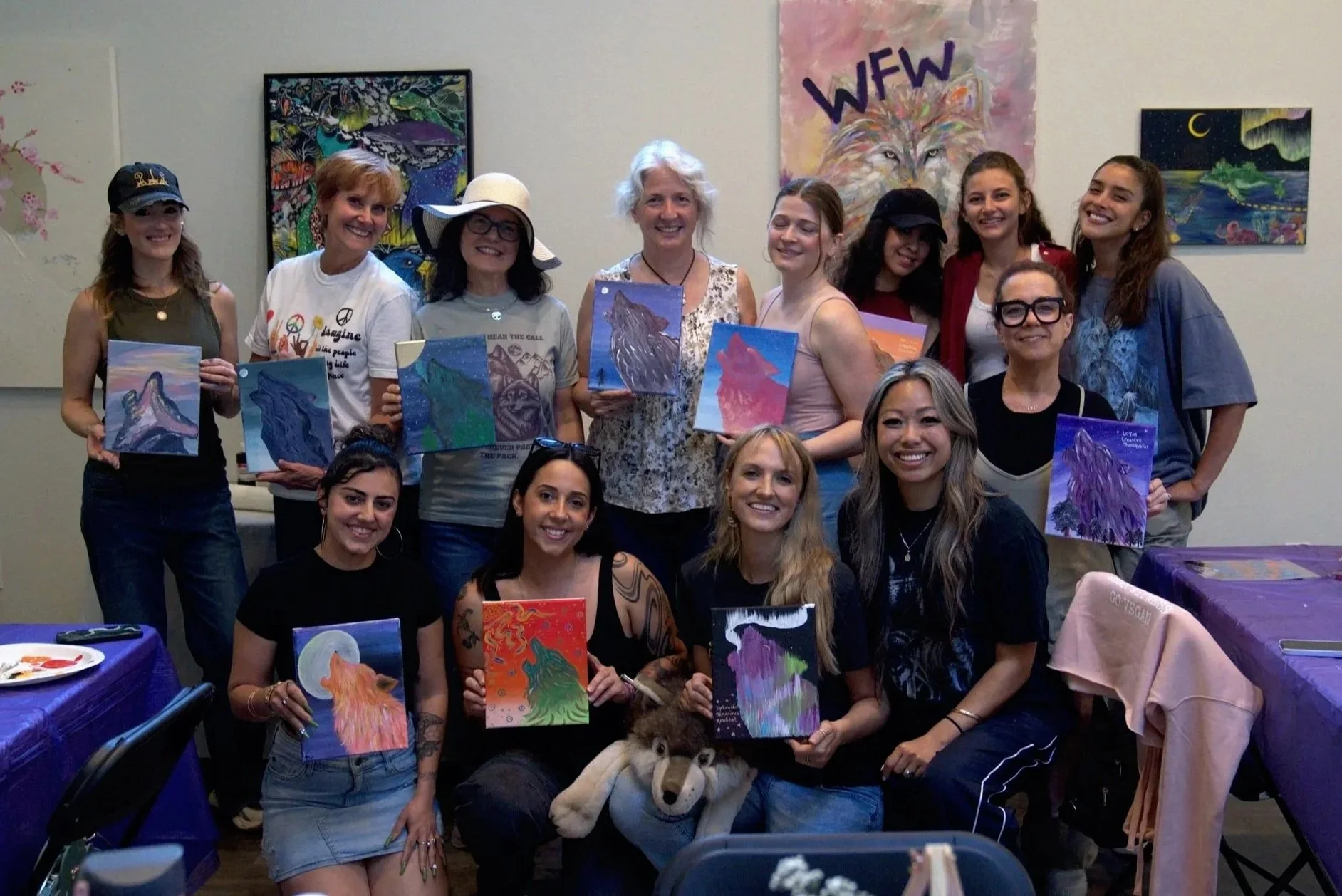
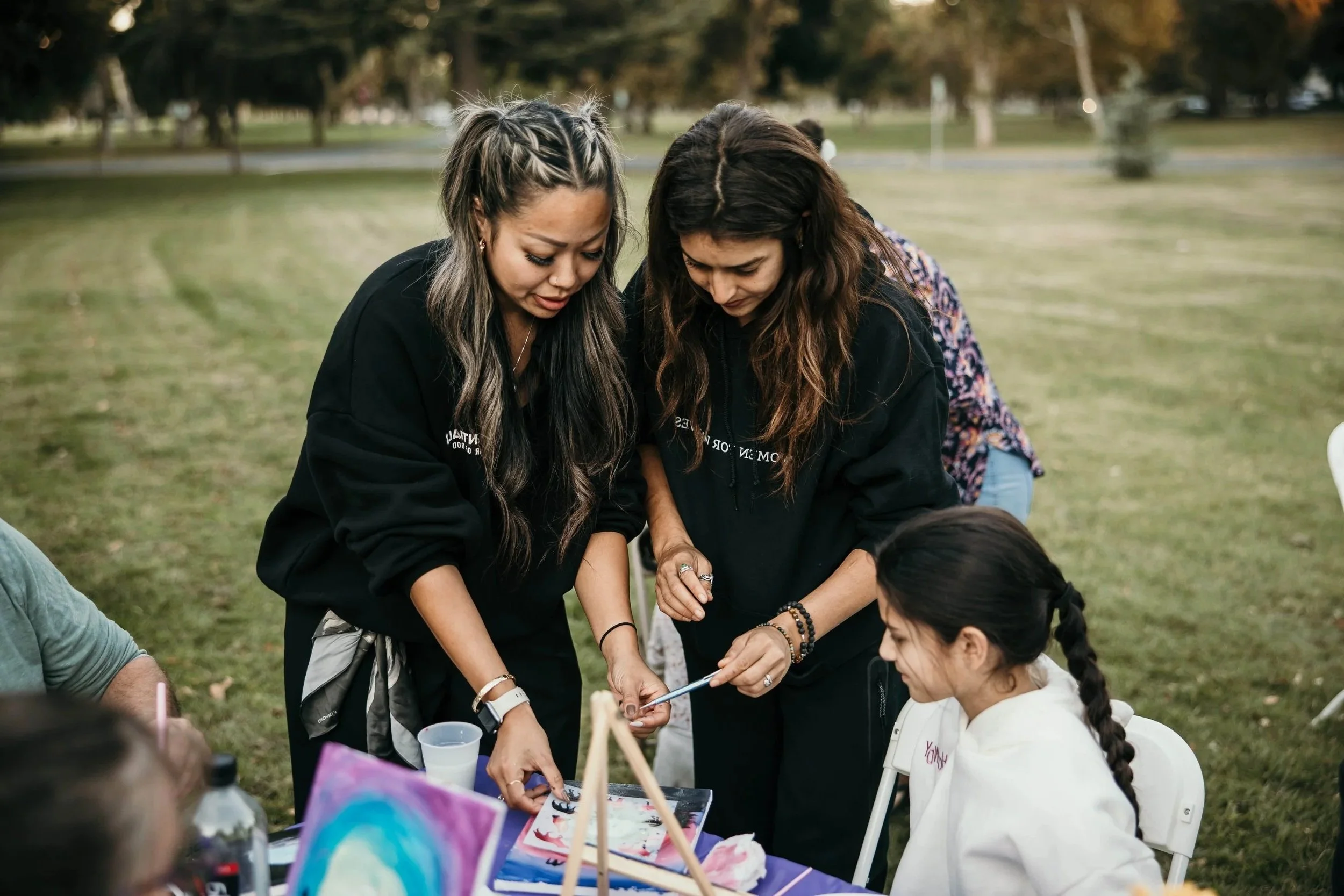
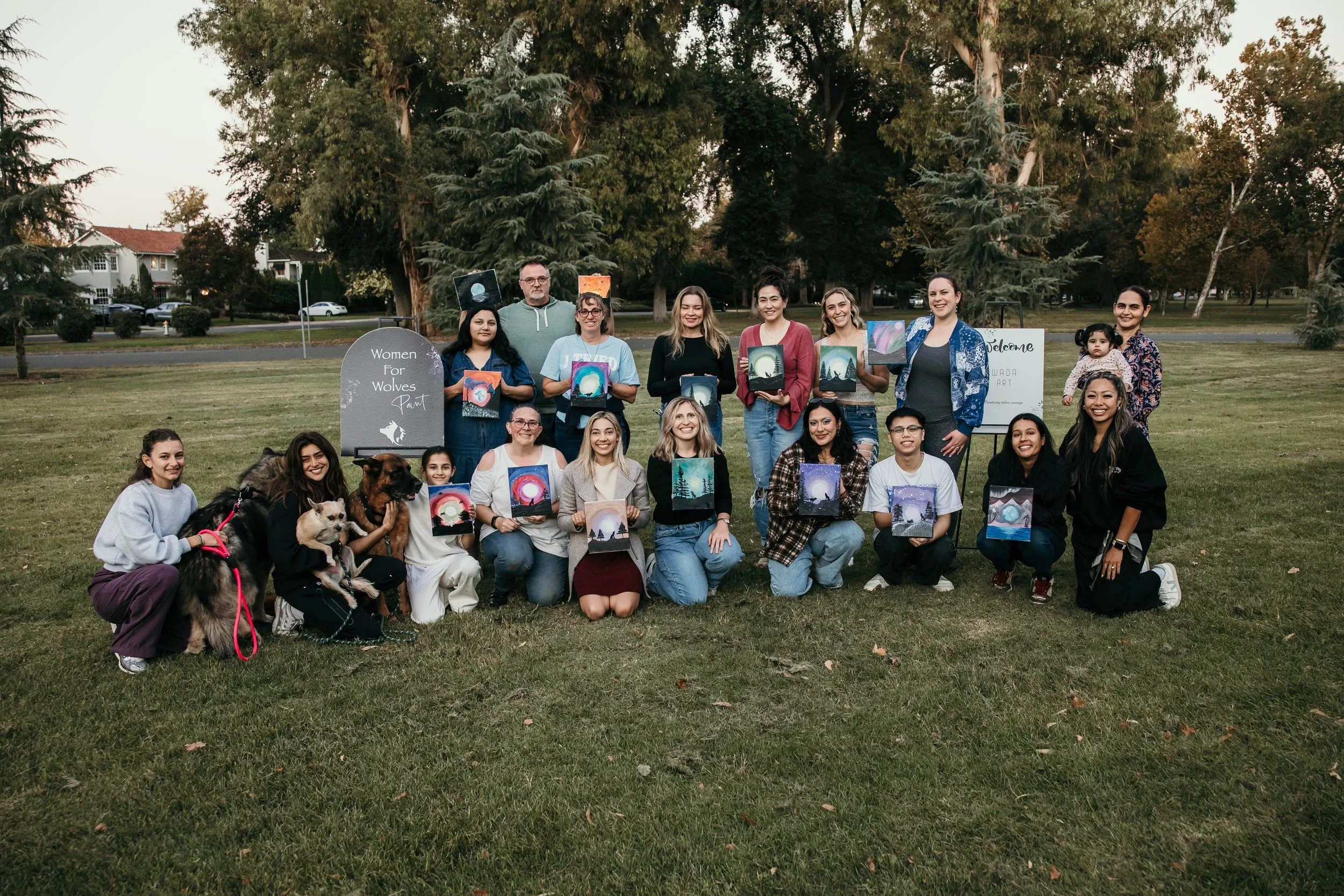
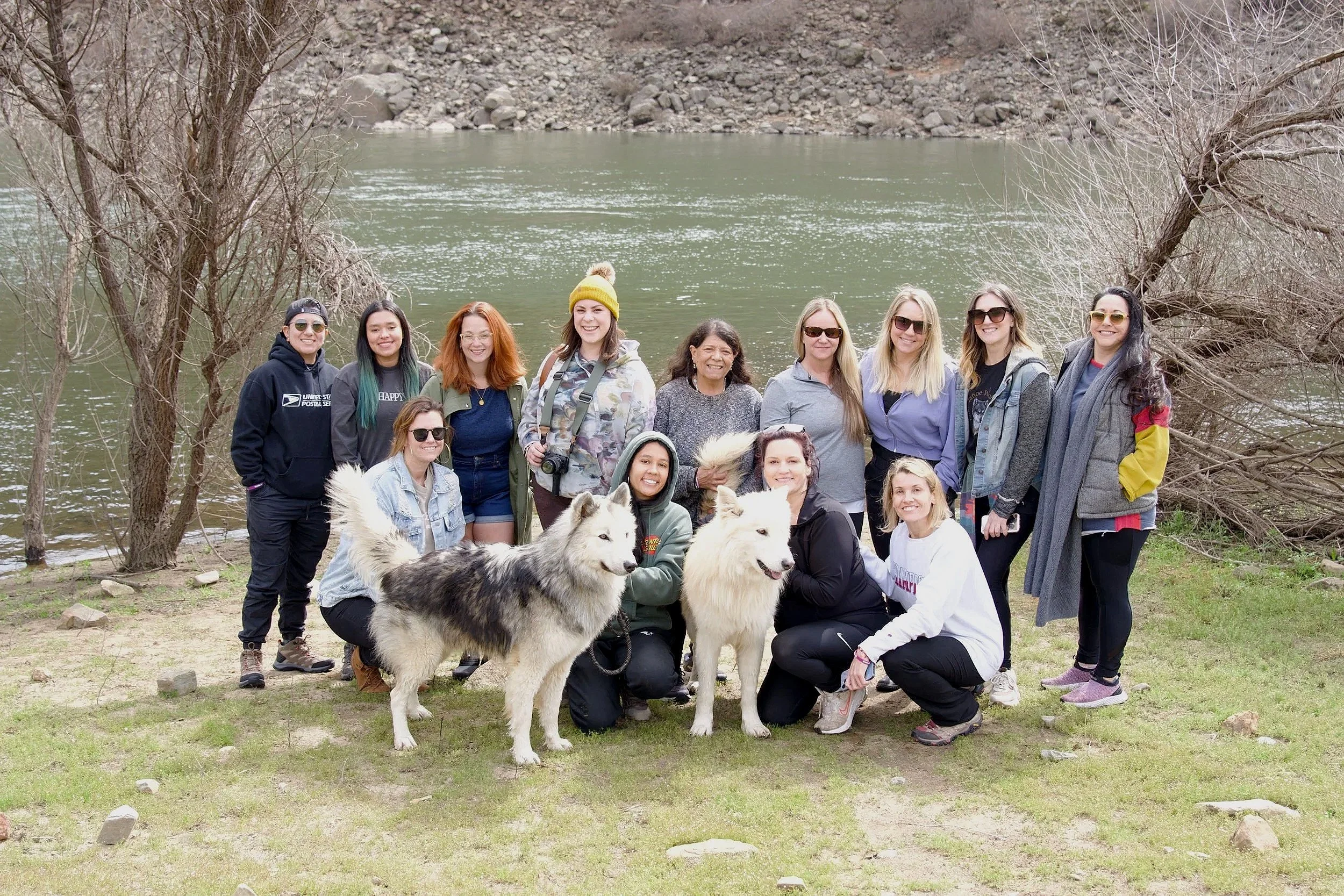
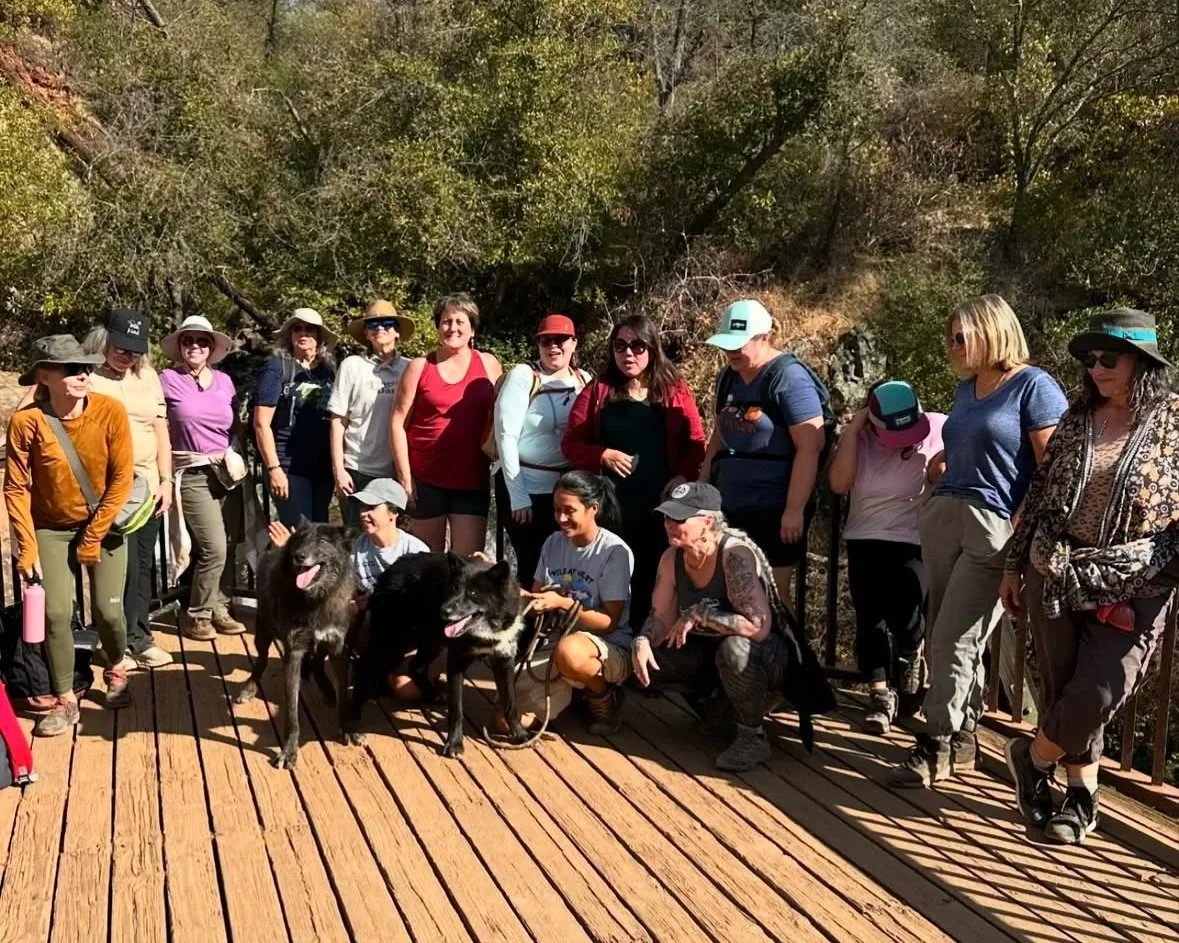
In 2025, we served 150+ women through our community empowerment programs—ranging from art-in-nature gatherings and educational hikes to healing circles rooted in connection, reflection, & rewilding.
These experiences remind us why we do this work: reconnection ignites care, and care leads to protection. Of wolves. Of ecosystems. Of ourselves.
Women Are Still Underrepresented in Conservation
Despite their impact, women remain significantly underrepresented in conservation and wildlife management—especially in leadership and decision-making roles:
Globally, women hold only ~23% of senior leadership positions in environmental and conservation organizations.
In the United States, women make up just ~31% of conservation scientists and foresters, meaning men still dominate the technical fields shaping wildlife policy and land management.
In conservation and ecology research, women represent only ~11% of top-publishing authors, limiting whose perspectives shape the science used to guide wildlife management.
This gap matters.
When women are excluded from wildlife management, conservation becomes narrower, more extractive, and less effective.
Female voices bring collaborative, ethical, and community-centered approaches that strengthen coexistence and long-term ecological outcomes.
Women scientists, storytellers, and leaders continue to challenge fear-based myths and reshape how the world understands wolves—from field biology to cultural narrative.
Women Who Run With Wolves — Reading List
Books that explore the deep relationship between women, wolves, science, and the wild:
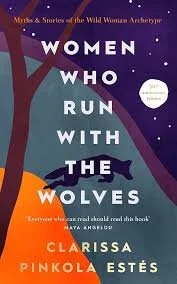
Women Who Run with the Wolves — Myth, psychology, and the wild feminine
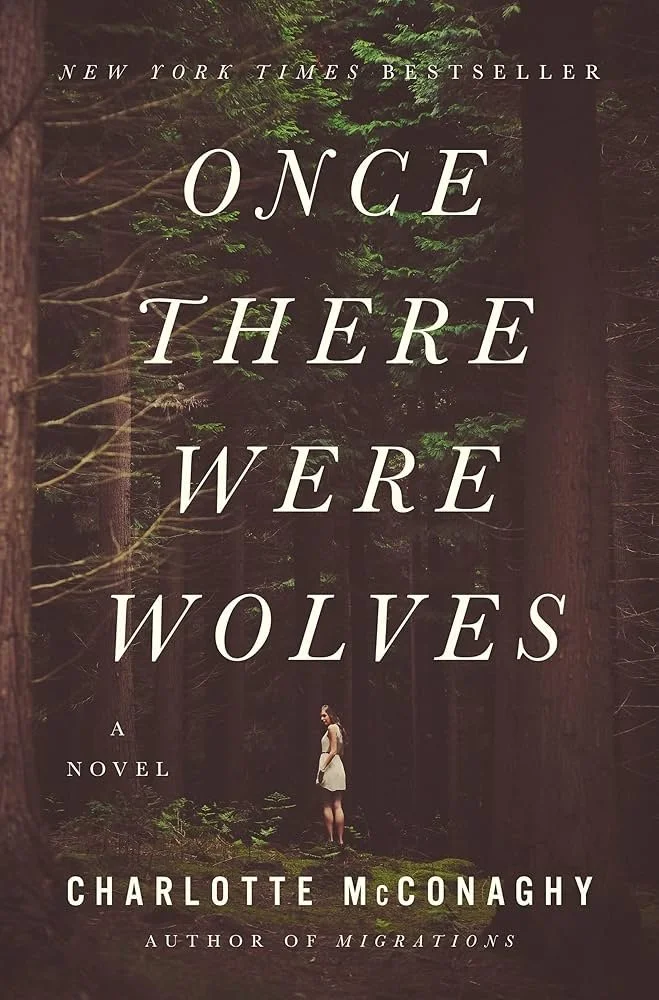
Once There Were Wolves — Wolf reintroduction, trauma, and healing
The Reign of Wolf 21 — Family bonds and leadership in wild wolves
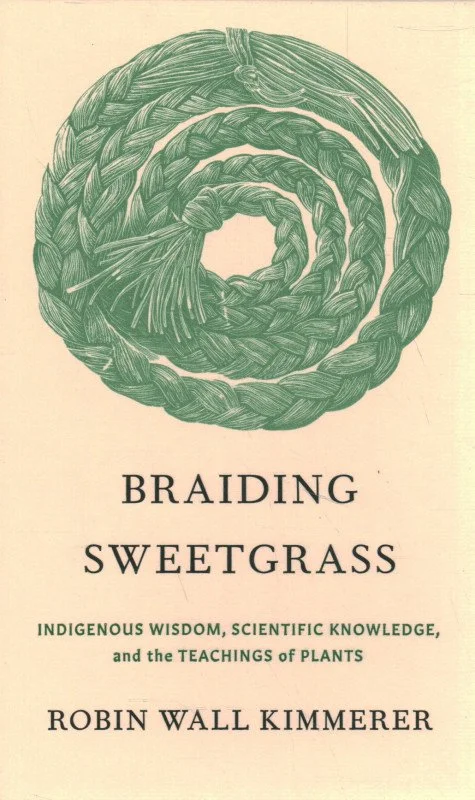
Braiding Sweetgrass — Indigenous ecology, reciprocity, and coexistence
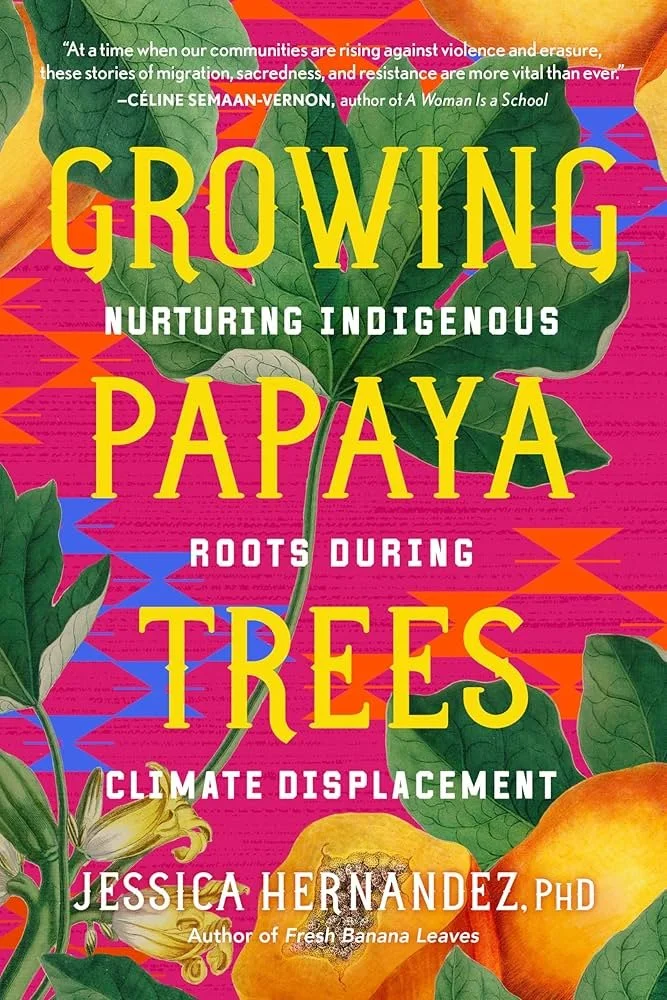
Growing Papaya Trees — Indigenous science, climate justice, and relationship to land
A Woman Among Wolves — Wolf conservation, field biology, and female leadership
Wild Souls — Compassionate conservation and empathy for wildlife
Women, Wolves & Mythology
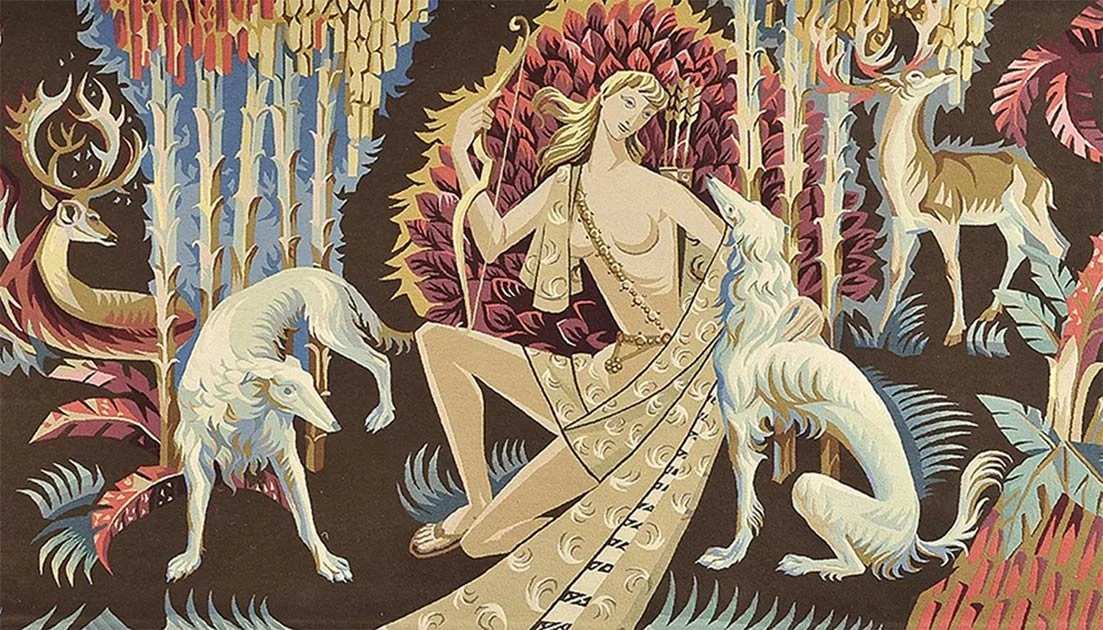
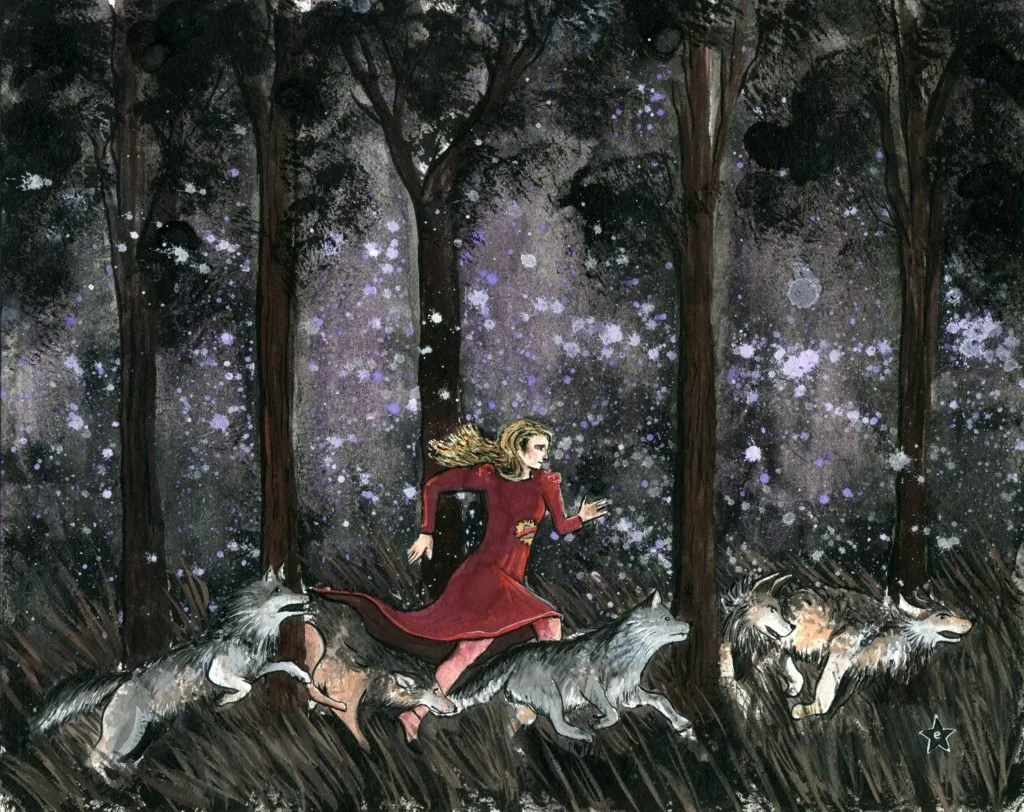
Across cultures, wolves have lived not just in ecosystems, but in our oldest stories—as guardians, teachers, and mothers of life. From La Loba, who sings life back into wolf bones, to the She-Wolf of Rome who nursed the founders of a civilization and Okami the Japanese wolf guardian - wolves and women have been intertwined.
Mythology matters because stories shape values. When wolves are honored in narrative, they are protected in life. When they are feared in story, violence follows in policy.
Wolves are not only the ancestors of dogs—they are woven into our cultural memory and sense of belonging within the natural world. And when women remember their bond with the wild, they remember their power.
To protect wolves is to protect the living systems that sustain us all.
Art: Tsukioka Yoshitoshi
Women & the Wolves: evidence of an ancient connection
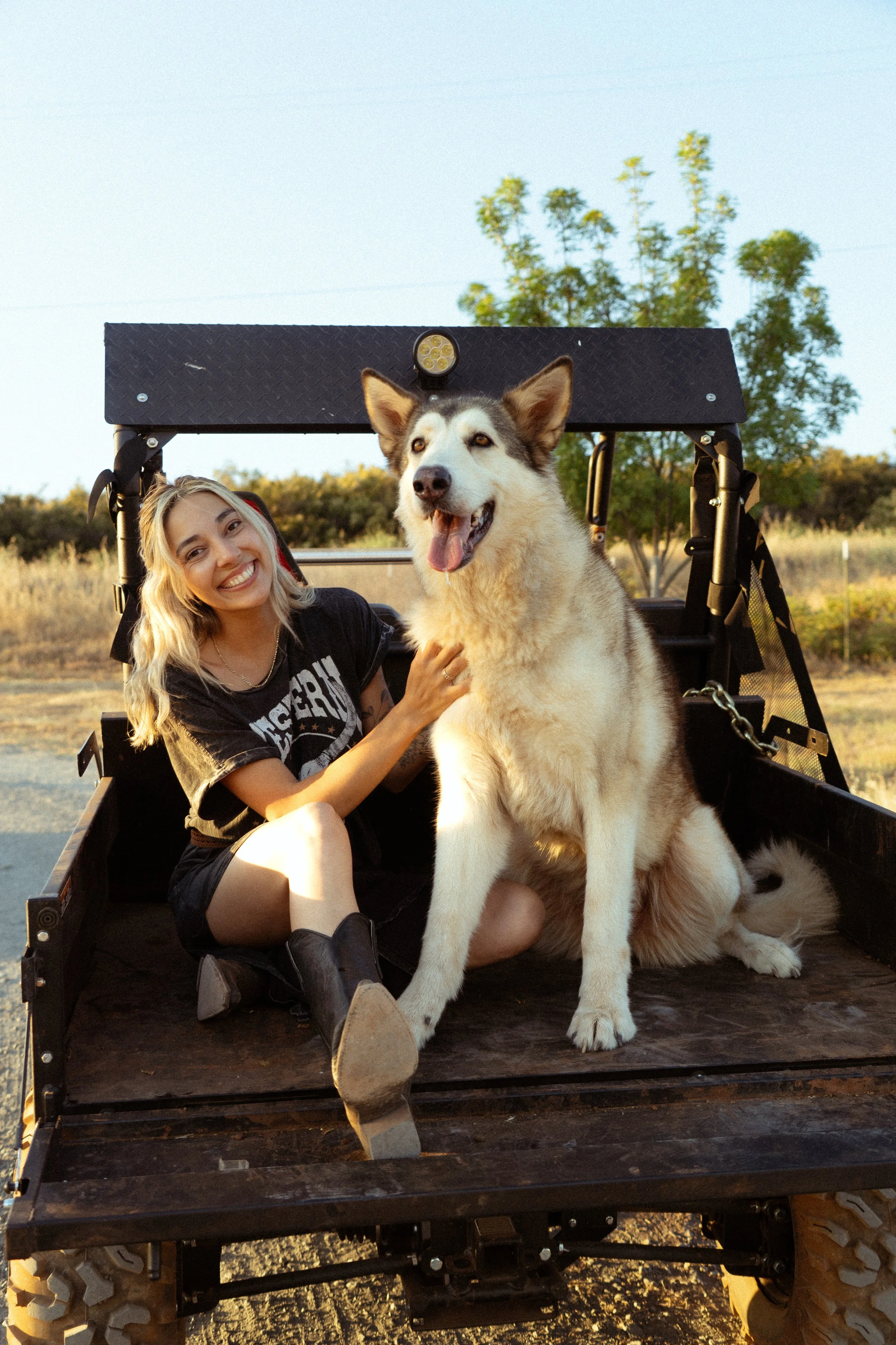
Anthropological and archaeological evidence suggests early humans didn’t just encounter wolves—they cared for them. One domestication model posits wolf pups were brought into camps and hand-raised, especially by women and children, creating social bonds that shaped the human–canine relationship. Pup survival and integration relied on nurturing, play, and socialization—roles often filled by women and caregivers in prehistoric societies.
This isn’t a minor detail but a deep link between women and wolves. As primary caregivers, women may have first bridged wild animal and companion, laying the emotional groundwork for dogs.
At Women for Wolves, this history guides us: we continue that lineage by fostering connection, empathy, and stewardship between women and the wild.
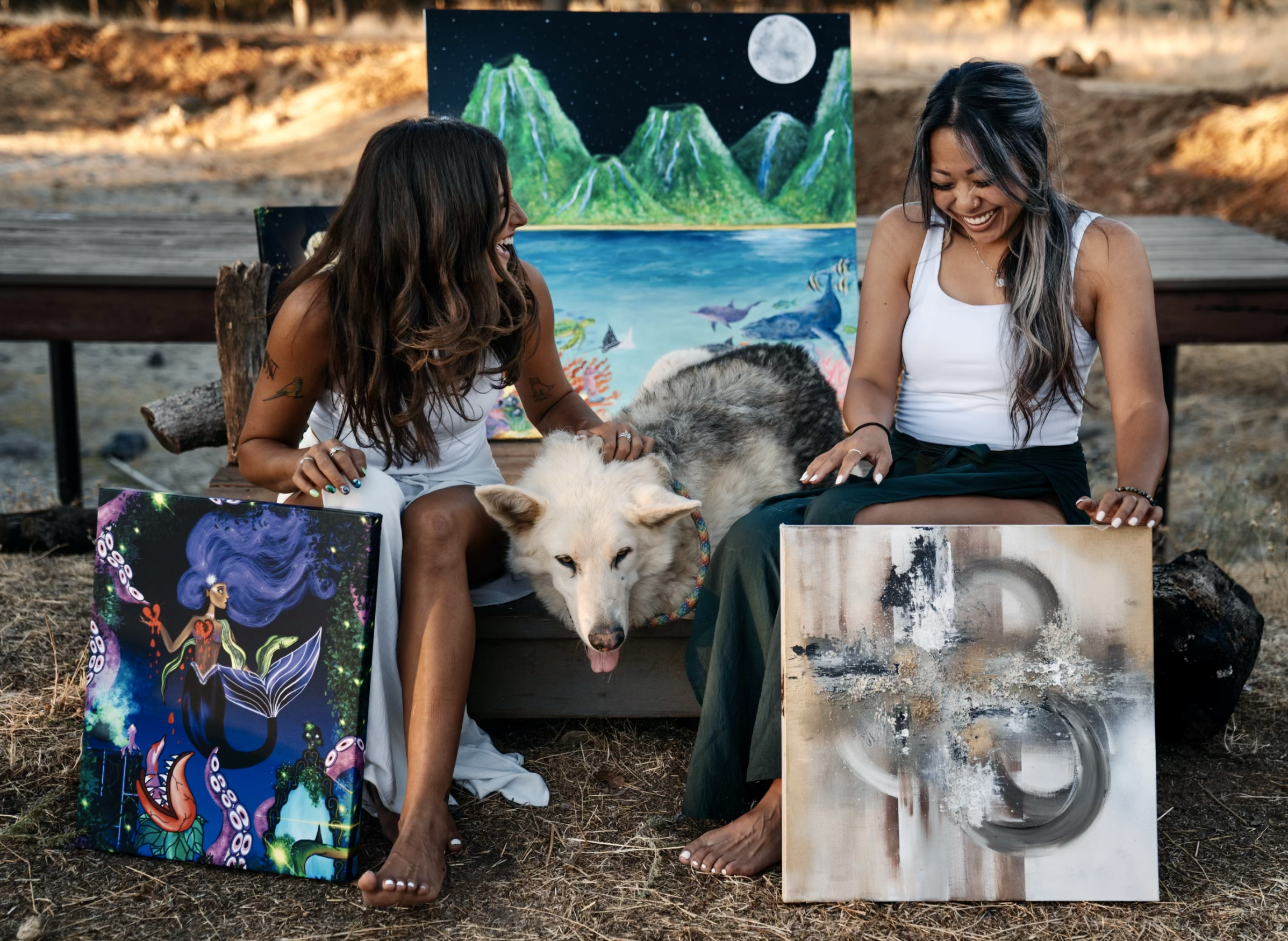
Uplifting local women artists who tell the story of wolves and the wild through their art
Art, Storytelling & Cultural Change
Protecting wolves requires more than science and policy—it requires cultural shift. That’s why we uplift artists who paint wolves, wildlife, and the natural world. Art reaches where data cannot, fostering empathy, memory, and connection.
Through painting, music, poetry, and storytelling, artists help dismantle fear-based narratives and reframe wolves as family, teachers, and living beings. Art makes conservation personal—and invites people into the movement in ways policy alone cannot.
Every Role in Wildlife Advocacy Matters
Wildlife protection is not built by biologists alone. Scientists, veterinarians, educators, artists, communicators, policymakers, organizers, and caretakers all play essential roles.
Science explains what’s happening. Policy shapes what’s allowed. Education builds understanding. Art changes what people feel.
When these forces work together, conservation becomes stronger, more inclusive, and more effective—because saving wildlife is not just a scientific effort.
It is a cultural one.