
coexistence with predators
Coexistence is possible, and farm animal owners like Danielle Hanosh (founder of LEAP & Blackberry Creek Farm Sanctuary) are living proof (refer to video).
Explore our coexistence resource hub for information on how landowners in the Western U.S. are not just coexisting with wild predators, but co-thriving alongside them.
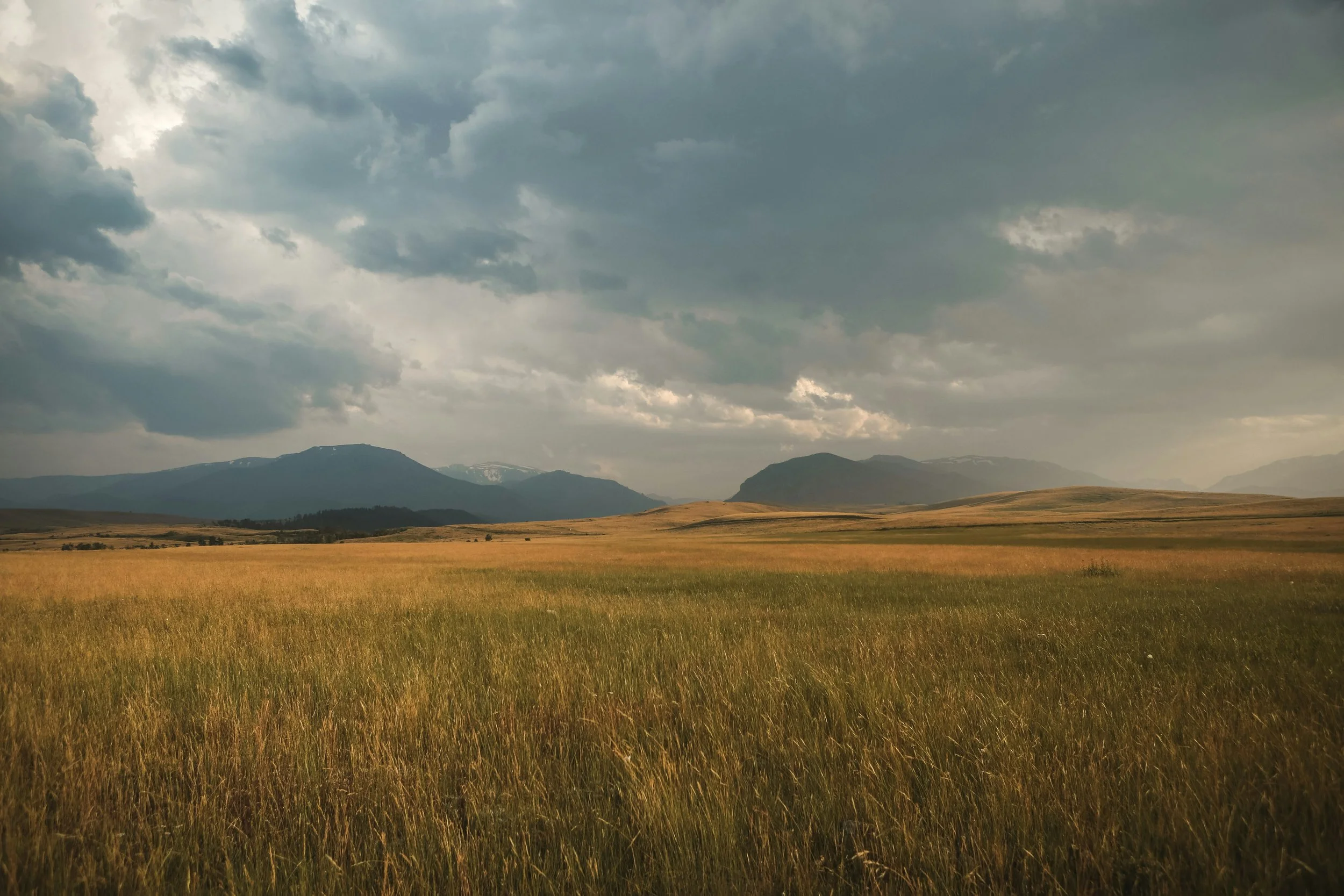
COEXISTENCE RESOURCE HUB
Whether its ranchers, rural communities, or individuals wanting to compassionately coexist with wildlife - we work to finding solutions and spreading awareness surrounding coexistence.
HOW TO SAFEGUARD YOUR FARM OR RANCH
Studies show properly trained Livestock Guardian Dogs reduce livestock losses by 70–100% when combined with basic husbandry practices, fencing, and conflict monitoring. Across the West, ranchers using tools like guardian dogs, fladry, range riders, and night-penning consistently experience fewer conflicts, healthier herds, and stronger long-term stability — without killing wolves.
PRACTICAL STEPS USED BY SUCCESSFUL RANCHERS ACROSS THE WEST.
Guardian dogs reduce carnivore predation 70–100%
Fladry reduces wolf approach rates by up to 97% (short-term)
Range riders lower depredation by 54–85%
Wolves prefer to avoid guarded livestock even when hungry
Non-lethal programs cost less long term than repeated livestock losses
-
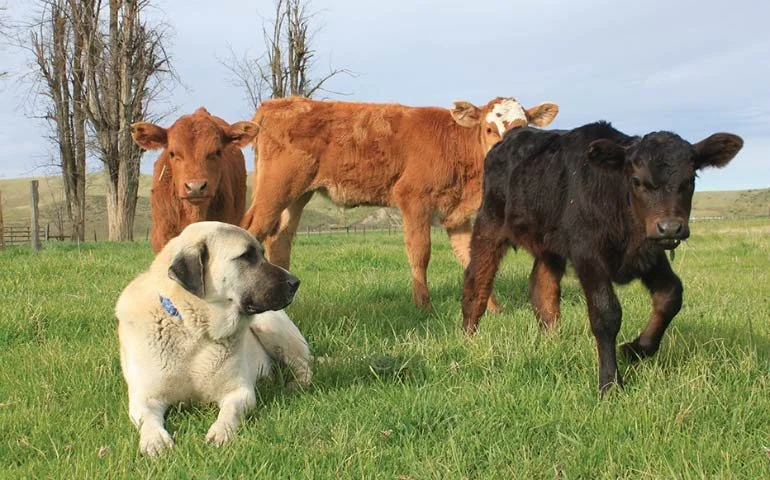
LGDs are the most effective long-term non-lethal tool for deterring wolves, coyotes, and mountain lions. When it comes to wolves - multiple LGDS are effective, as wolves are pack animals and will perceive higher numbers as greater threats.
BEST BREEDS
Great Pyrenees
Anatolian Shepherd
Maremma
Karakachan
Akbash
Why LDGs WORK
Wolves avoid unfamiliar, confident canine defenders
LGDs stay with stock 24/7
They alert early, reducing surprise encounters
They create a “territory boundary” wolves prefer not to cross
-
Resources:
Partner Expert: Mollie Engelhart — Sovereignty Ranch
Specializes in sustainable ranching + LGD implementation
Guide Coming Soon: “How to Start With Guardian Dogs (5–10 Steps)”Training Video:
YouTube: “Intro to LGDs for Wolf Country Ranches” (insert link)
-
Key Sources:
Journal of Wildlife Management
USDA Sheep Experiment Station
Gehring et al. (2010), van Bommel (2010), Stone et al. (2017)
Washington Wolf-Livestock Collaborative Studies
Research:
U.S. Sheep Experiment Station; Gehring et al. 2010; van Bommel 2010
guardian dogs are a proven coexistene tool
Nonprofit farm sanctuary owner & guardian dog rescue advocate Danielle Hanosh (founder of Blackberry Farm Sanctuary and LEAP) shares firsthand experience using a rescued guardian dog to successfully protect her property without lethal control. Her testimony before California Fish and Wildlife highlights what decades of research confirm: guardian dogs can reduce losses to predators by 60–90% or more, often outperforming lethal methods while supporting long-term coexistence.
Guardian dogs (LGDs) are a proven, non-lethal way to reduce conflicts from predators like wolves. Properly bonded LGDs live with herds and deter predators by presence, protecting animals and preserving ecosystems by reducing predator killings.
Northern California LGD rescue & placement:
Choosing LGDs protects livelihoods and wildlife — coexistence works.
Non-lethal deterrence tools
-
Recommended Setups
Electric fencing (5–7 wire, 6,000–7,000 volts)
Turbo-fladry (short-term protection during high-risk periods)
High-tensile fencing
Portable electric netting for night corrals
Human scent stations near calving/kidding sites
Research
Electric fencing reduces wolf depredation by over 90% in controlled trials.
Fladry protects ranches for 60–90 days during calving or carcass-removal periods.
-
Why It Works
Wolves adjust their movement to avoid people
Riders detect signs early — tracks, stress behavior, injured stock
Riders haze wolves nonviolently to maintain distance
Partner Highlight:
Daniel the Range Rider (Northern California)
Works with wolves, cattle, and multi-use public land
Specializes in tracking, low-stress livestock handling, and non-lethal wolf deterrence
Has prevented depredations across multiple grazing seasons.
-
Key Practices
Bury or compost carcasses
Remove afterbirth during calving season
Avoid dumping feed or minerals that attract deer/elk (prey)
Keep guardian dogs and herding dogs fed & hydrated so they stay on their job
Secure chicken coops, lambing sheds, and grain storage
Research
50%+ of wolf depredations occur when attractants are available.
-
Calving/kidding away from forest edges and closer to human residences
Temporary night penning
Moving herds to lower-risk pastures during pup-rearing season
Rotating grazing more frequently
Using guardian dogs + fencing + riders simultaneously during these windows
Wolves are highly predictable. Adjusting small operations can drastically reduce encounters.
more REAL-LIFE SUCCESS STORIES
-
Runs cattle + LGDs
Uses rotational grazing & regenerative techniques
Has had zero wolf-related losses using guardian dogs + fencing
WFW partner providing a 5–10 step LGD guide for California ranchers
-
Works across National Forest and BLM grazing allotments
Identifies wolf activity early, reducing conflict proactively
Has prevented multiple depredation events through night penning, hazing, and rider presence
Collaboration launching with WFW in 2026 for statewide rancher support
-
Ranch using 3 Maremmas + turbo-fladry
0 wolf losses in 3 years
Wolves maintained distance >1 mile from herds
-
Another Idaho operation that breeds and raises dogs of the Maremma Sheepdog breed, a classical livestock guardian dog breed long used to guard flocks against wolves.
-
900-head sheep operation
7 Anatolians + electric fencing
90% reduction in predator conflict
Zero kills from wolves
-
This animal sanctuary practices non-lethal coexistence with rescued guardian dogs as a means to safeguard both ranches and wolves.