
current actions
Wildlife needs more than awareness — through 60+ policy campaigns, Women for Wolves has mobilized our community to take more than 250,000 actions for wolves, wildlife, and wild places.-
![]()
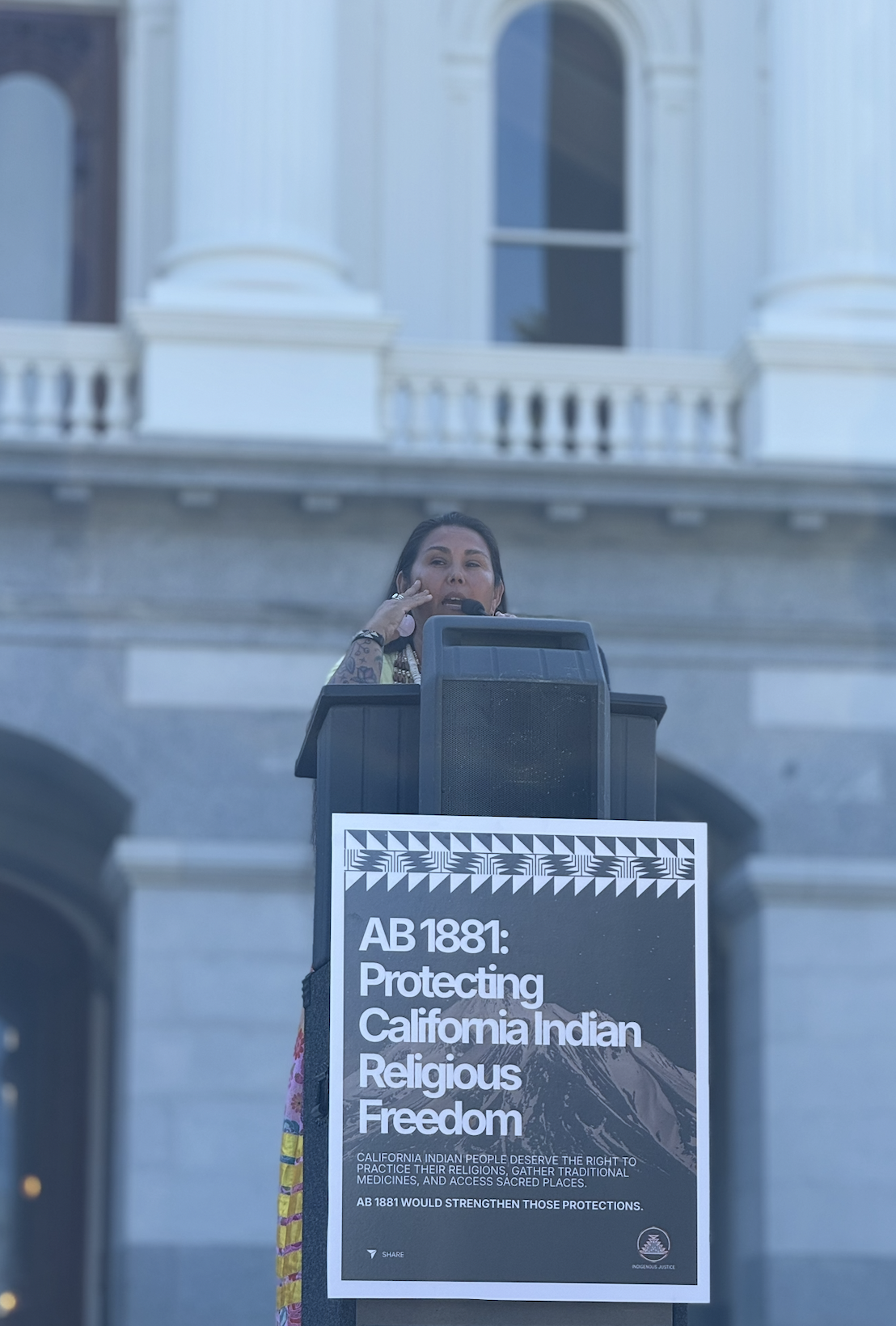
SUPPORT AB 1881: protect native sacred lands
-
![]()
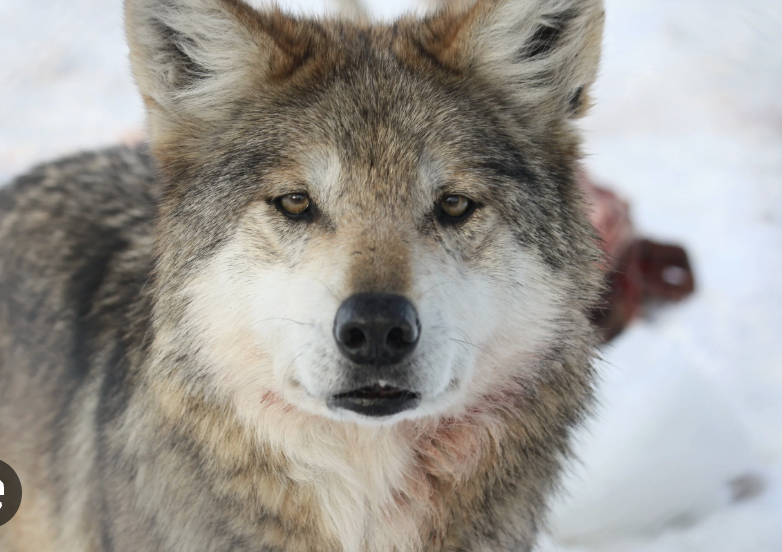
PROTECT MEXICAN GRAY WOLVES FROM LETHAL MANAGEMENT
-
![]()
SUPPORT AB 2218 FOR WATER & TRIBAL RIGHTS
-
![]()
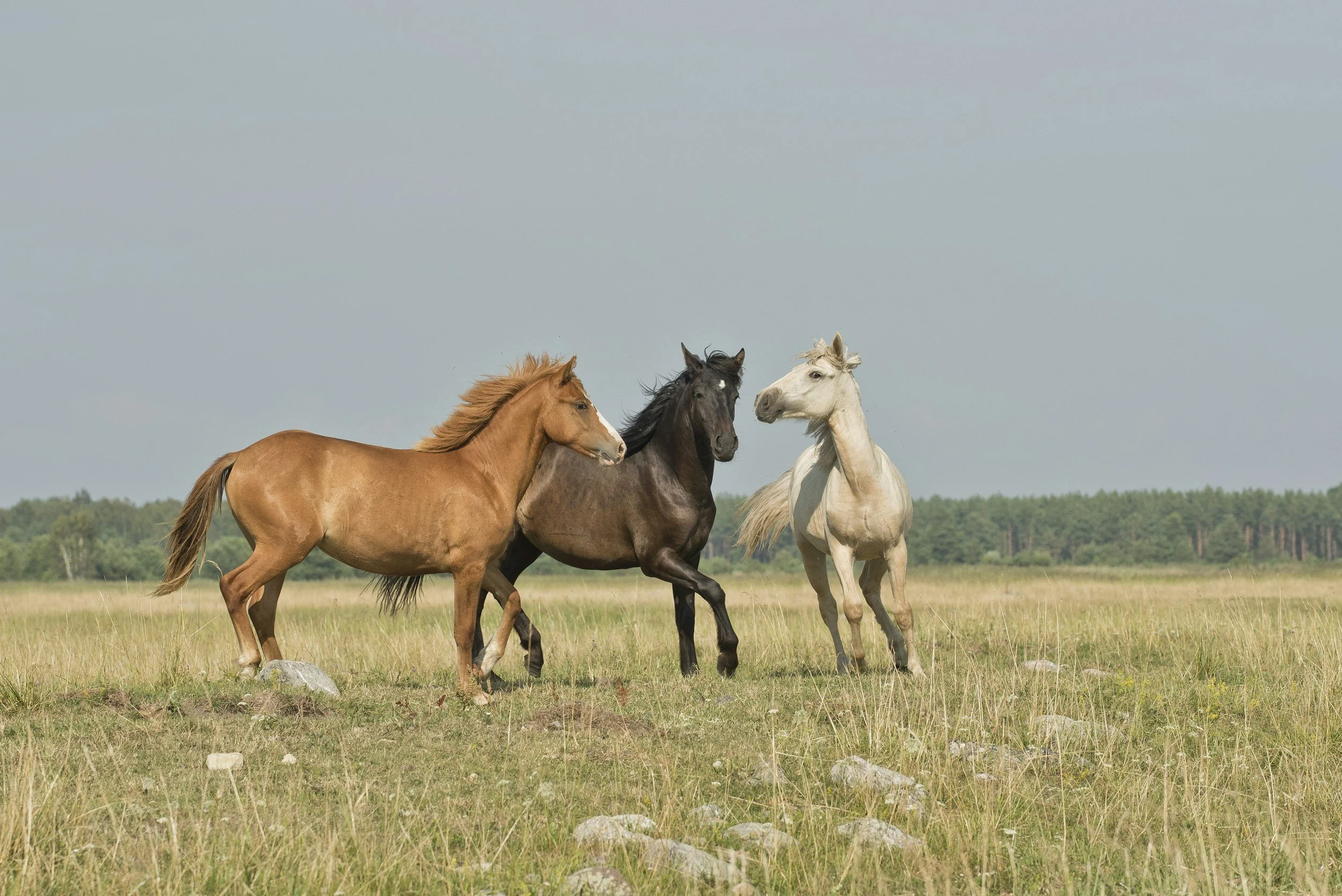
STOP THE SLAUGHTER OF WILD HORSES: WRITE TO THE BLM
-
![]()
take action for yellowstone wolves like 1090f & mollie's pack
-
![]()
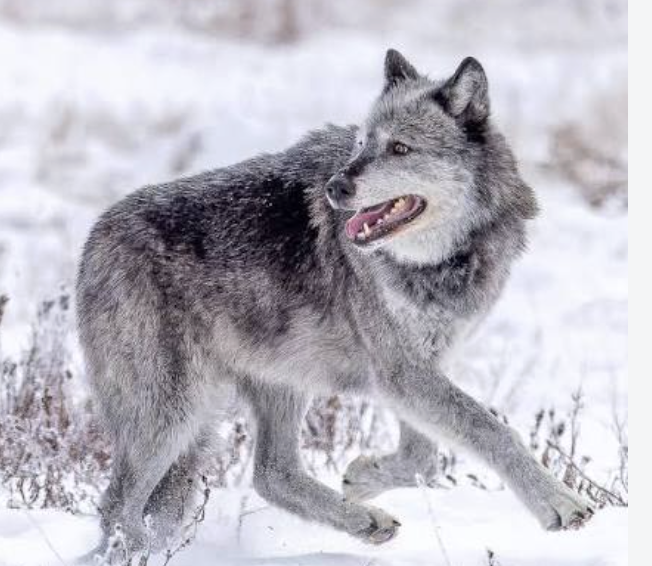
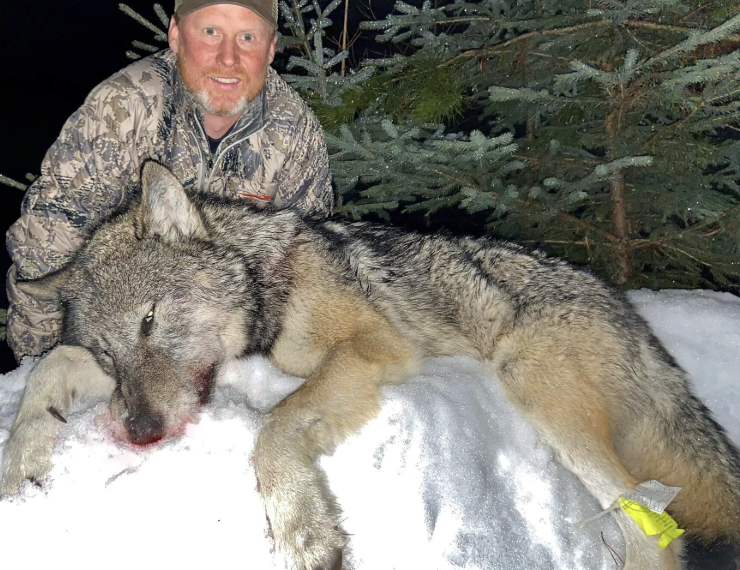
TAKE ACTION TO STOP THE SLAUGHTER OF MONTANA’S WOLVES
-
![]()
STOP LETHAL MANAGEMENT OF CALIFORNIA’S WILDLIFE
-
![]()
act: TELL GAVIN NEWSOM to SIGN SB1135 FOR WILDLIFE COEXISTENCE


-
![]()
SAVE THE ESA & PROTECT ENDANGERED SPECIES
-
![]()
URGE USDA to Fund Coexistence, Not Killing. protect wildlife.
-
![]()
Tell Congress not to open the arctic wildlife refuge to drilling
-
![]()
tell michigan lawmakers to oppose hb 6008: no wolf hunting
-
![]()
tell your reps to oppose the federal delisting of wolves today
-
![]()
Urge WASHINGTON to Choose Coexistence Over Reactive Wolf Killing
-
![]()
STOP CYANIDE BOMBS ON PUBLIC LANDS
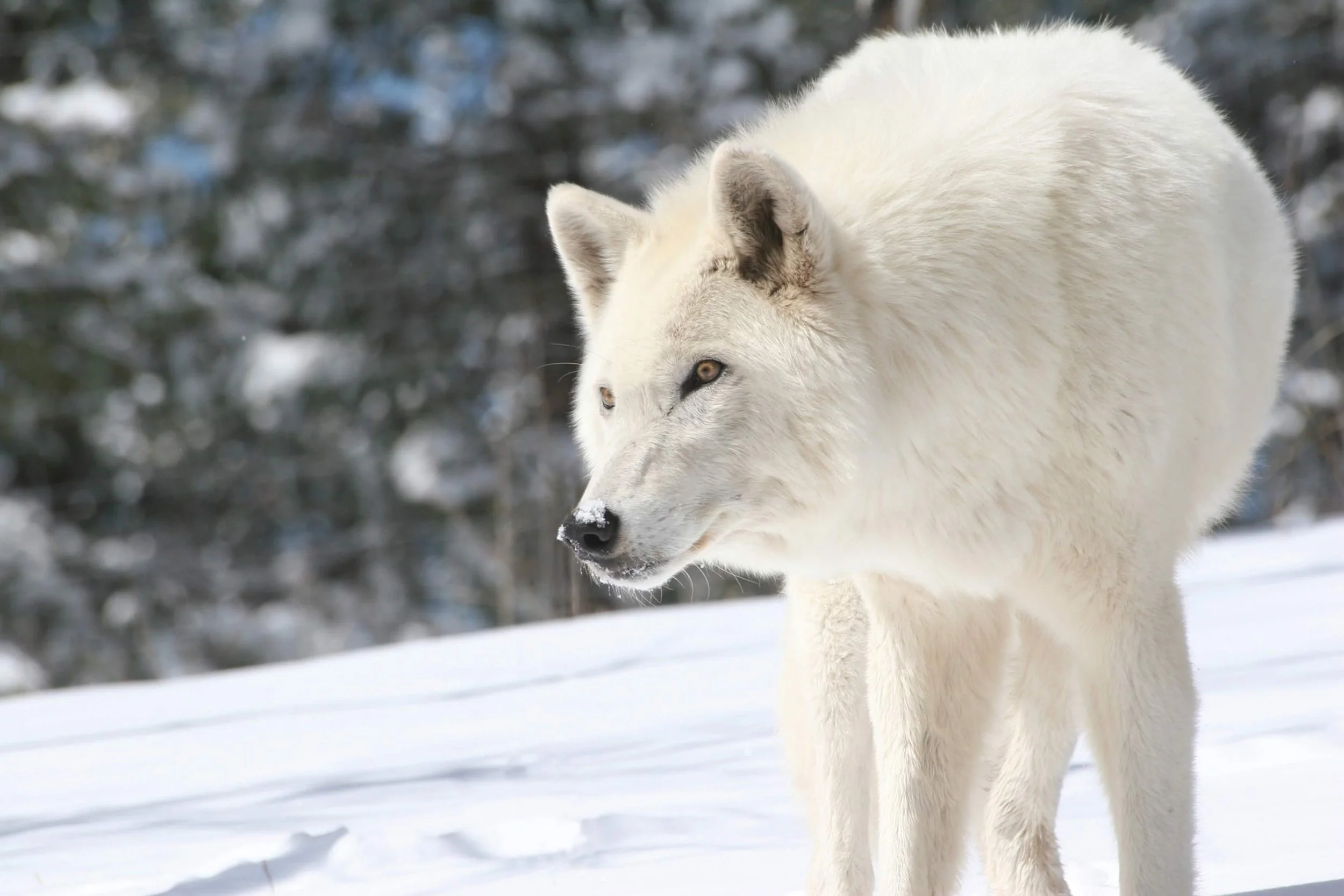
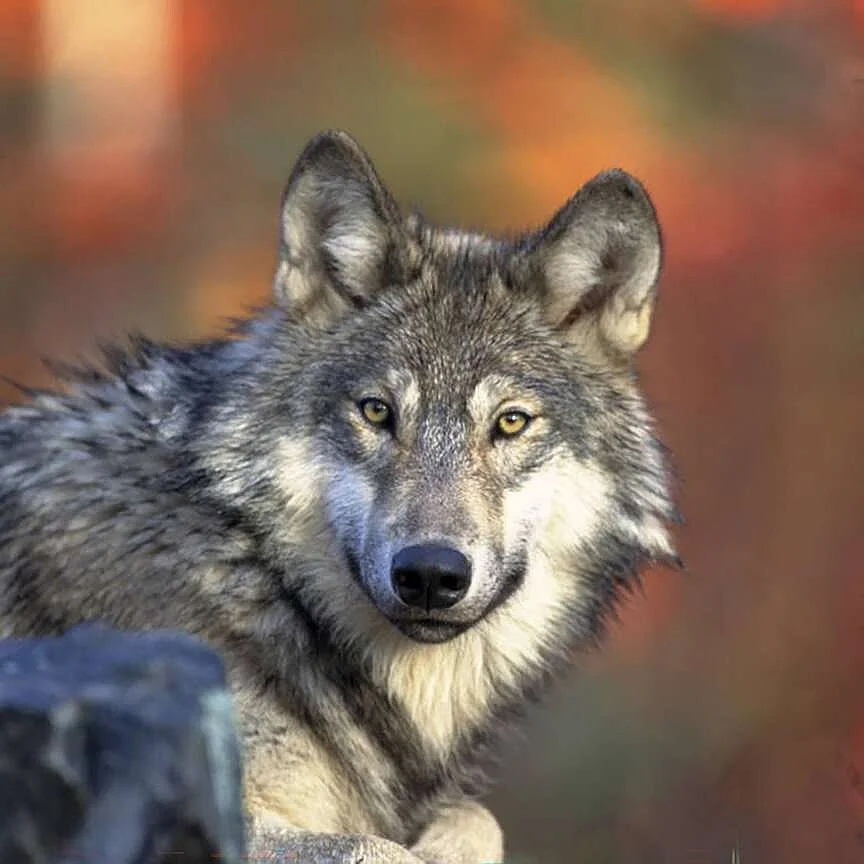
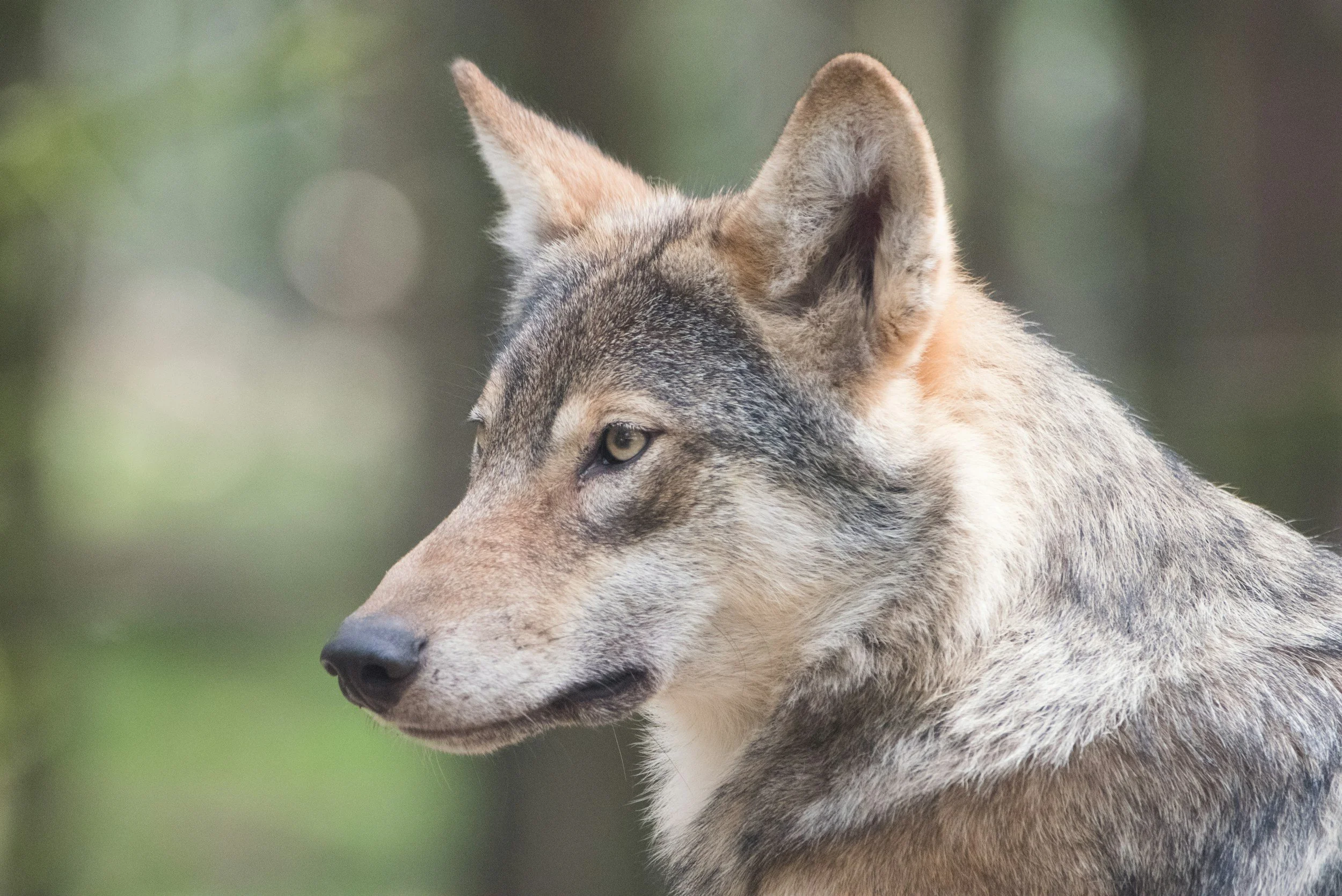
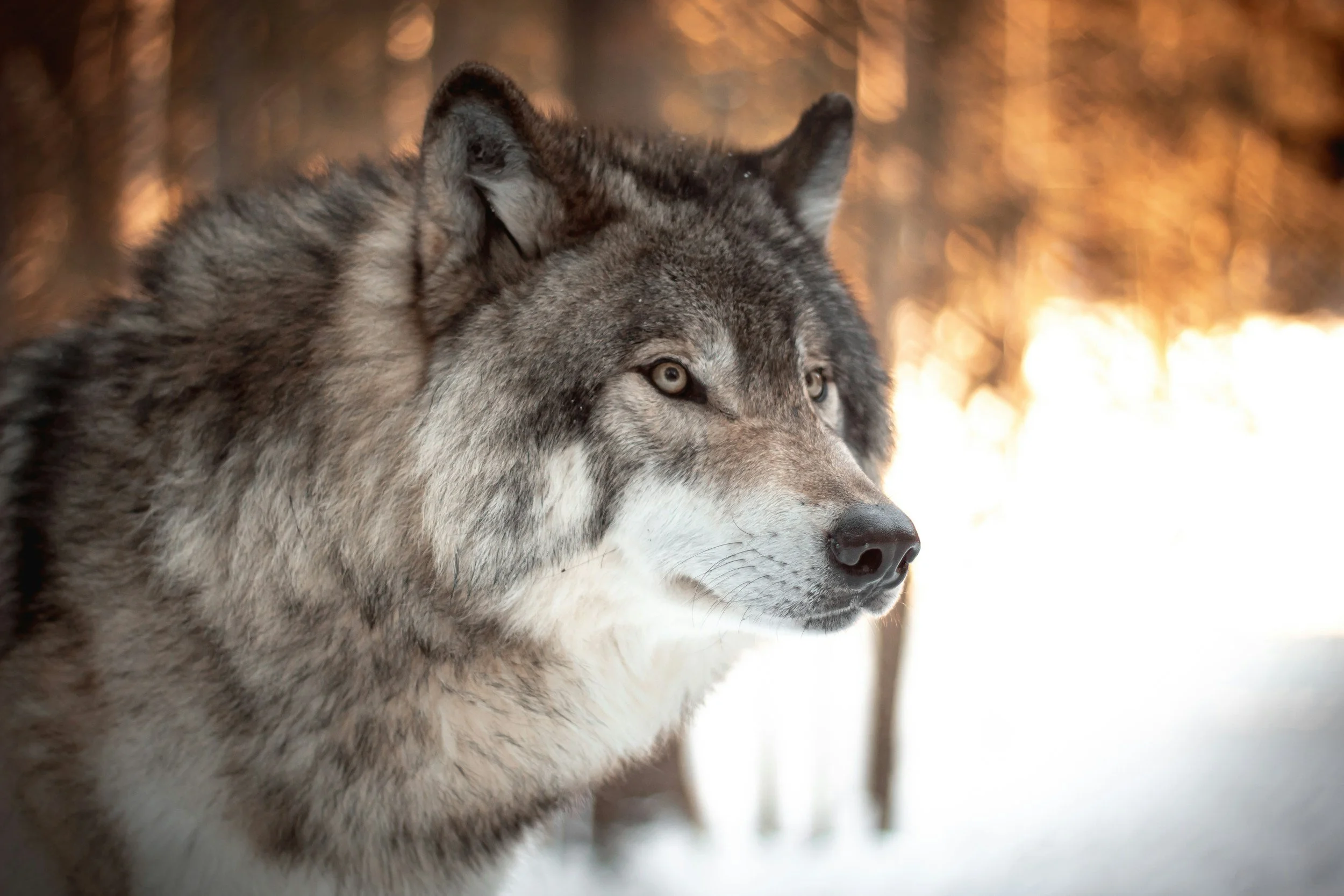
how we advocate
LEGISLATIVE ADVOCACY
We support and oppose state and federal legislation affecting wildlife, habitat, coexistence, and Tribal stewardship.
PUBLIC COMMENT & TESTIMONY
We show up in the policymaking process through public comments, hearings, agency engagement, and direct advocacy with decision-makers.
COMMUNITY MOBILIZATION
We turn public support into pressure, mobilizing our community to contact lawmakers, agencies, and wildlife commissions when decisions are being made.
COALITION & TRIBAL ADVOCACY
We work alongside conservation partners and support Tribal Nations and Indigenous-led efforts to advance wildlife protection, sovereignty, and stewardship.

60+
BILLS & POLICY ACTIONS
250,000+
COMMUNITY ACTIONS TAKEN
advocacy in action
WE WORK TO CHANGE THE POLICIES AND DECISIONS THAT SHAPE THE FUTURE OF WOLVES AND WILDLIFE THROUGH LEGISLATIVE ADVOCACY, PUBLIC TESTIMONY, AGENCY ENGAGEMENT, COALITION BUILDING, AND PEOPLE POWER.
OUR IMPACT
-
Women for Wolves formally supported SB 1135 and provided public comment in support of strengthening California’s approach to human-wildlife coexistence. The bill advances nonlethal strategies that help communities live alongside native wildlife while reducing conflict.
-
Women for Wolves formally supported SB 1350 and provided public comment in support of exploring the restoration of grizzly bears to California. Our advocacy emphasized science-based recovery, coexistence, and restoring native wildlife to California’s landscapes.
-
Women for Wolves formally supported AB 2218 and provided public comment in support of strengthening Tribal participation and leadership in the stewardship of California’s waters and ecosystems. The legislation aligns with our commitment to Tribal sovereignty and Indigenous-led conservation.
-
Women for Wolves formally supported AB 1881 and provided public comment in support of protecting California Native peoples’ access to ancestral lands for cultural, spiritual, and traditional practices.
-
Women for Wolves advocates directly for California’s recovering wolves through public testimony, agency comments, policy advocacy, and calls for nonlethal management. Following lethal removals of California wolves, we have pushed for greater investment in coexistence — while also working directly with ranchers in wolf country on trail cameras, monitoring, nonlethal tools, and collaborative solutions that protect both wolves and livestock.
-
Women for Wolves mobilized opposition to proposed border wall construction through the Big Bend region of Texas, where barriers and associated development threaten wildlife habitat, migration, protected landscapes, and culturally significant lands. We continue to advocate for protecting the ecological and cultural integrity of this extraordinary region.
-
Women for Wolves mobilized our community to oppose oil and gas development in the Arctic National Wildlife Refuge, joining a nationwide movement defending the Refuge, its wildlife, and Indigenous communities. Public opposition has been enormous, while industry interest has remained remarkably limited — the 2025 lease sale received zero bids, and a 2026 sale attracted bids on just 5 of 58 available tracts.
-
Women for Wolves has repeatedly mobilized supporters against congressional efforts to strip or weaken federal protections for gray wolves, including federal delisting legislation, appropriations riders, and other efforts to circumvent Endangered Species Act protections. We continue to advocate for wolf recovery and management decisions grounded in science rather than legislative delisting.
WHAT We fight for

Science-based recovery and protections for wolves and other native carnivores.
wolves & native predators
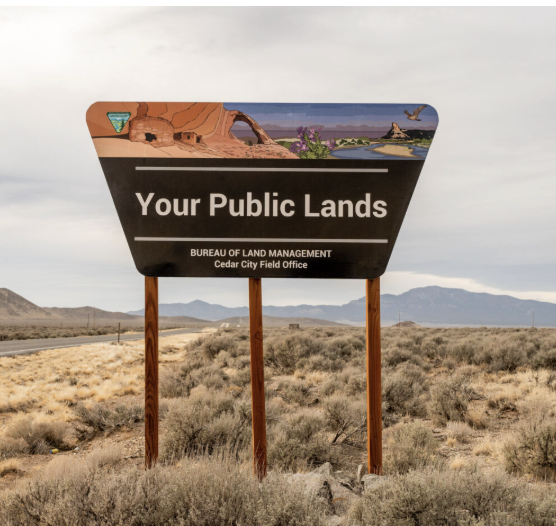
Protecting wild lands, migration corridors, waters, and intact ecosystems from destructive development.
PUBLIC LANDS & HABITAT
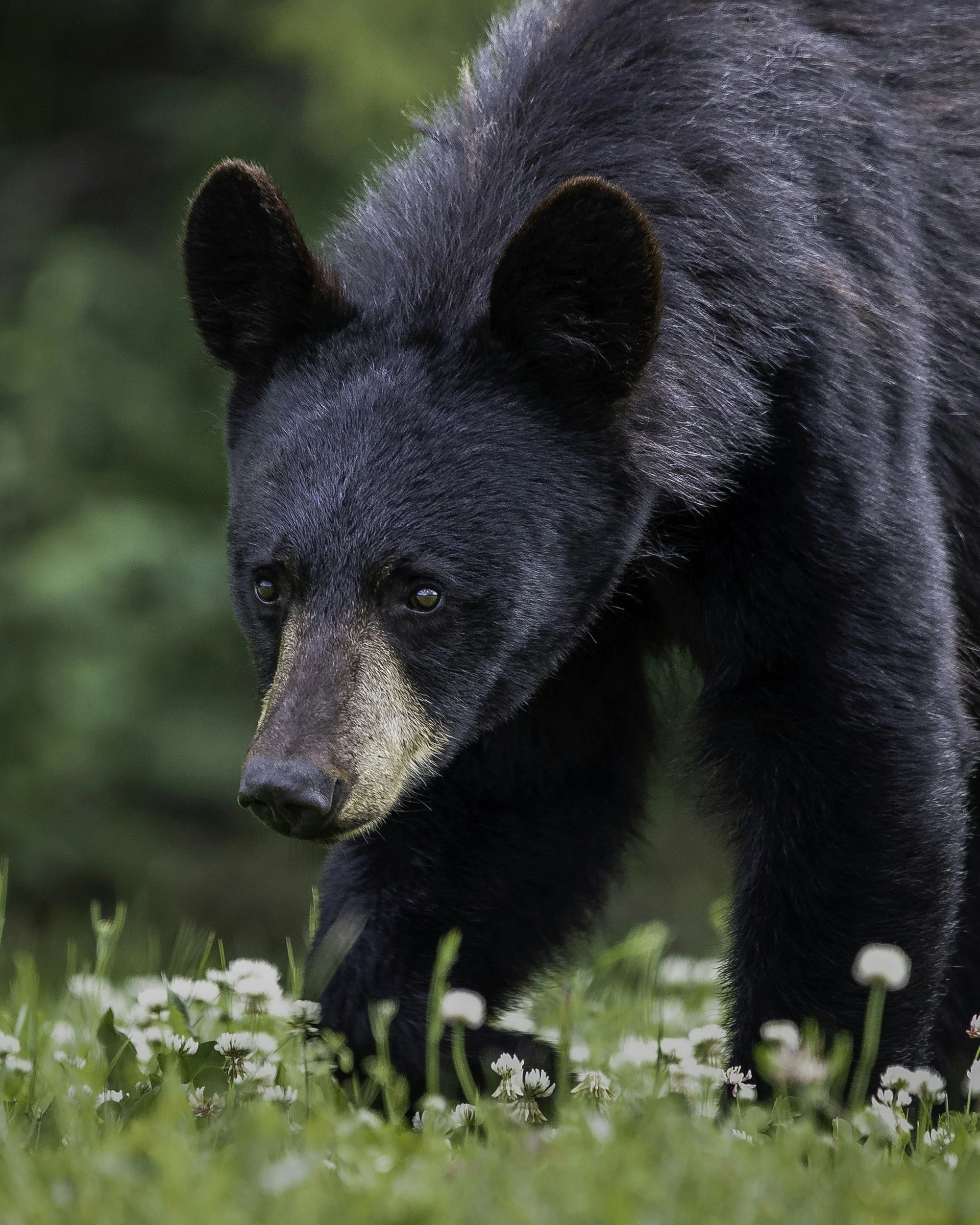
Stronger laws and policies protecting native wildlife from exploitation and unnecessary killing.
WILDLIFE PROTECTION
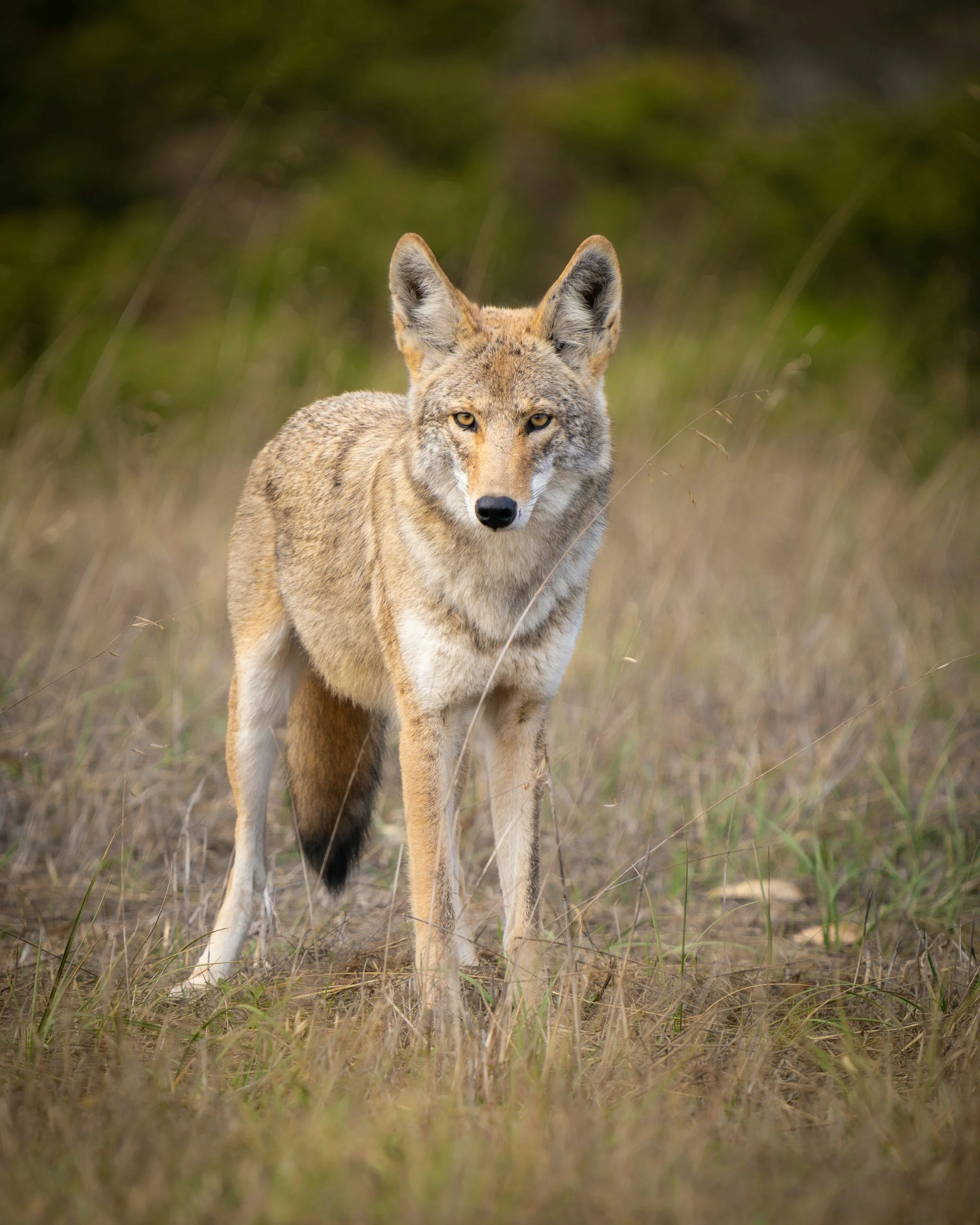
Moving wildlife management toward effective, nonlethal solutions that allow people and wildlife to share landscapes.
WILDLIFE COEXISTENCE
Policies that uphold Tribal sovereignty and expand Indigenous leadership in conservation and stewardship.