conservation through coexistence
WHY WOLF CONSERVATION MATTERS
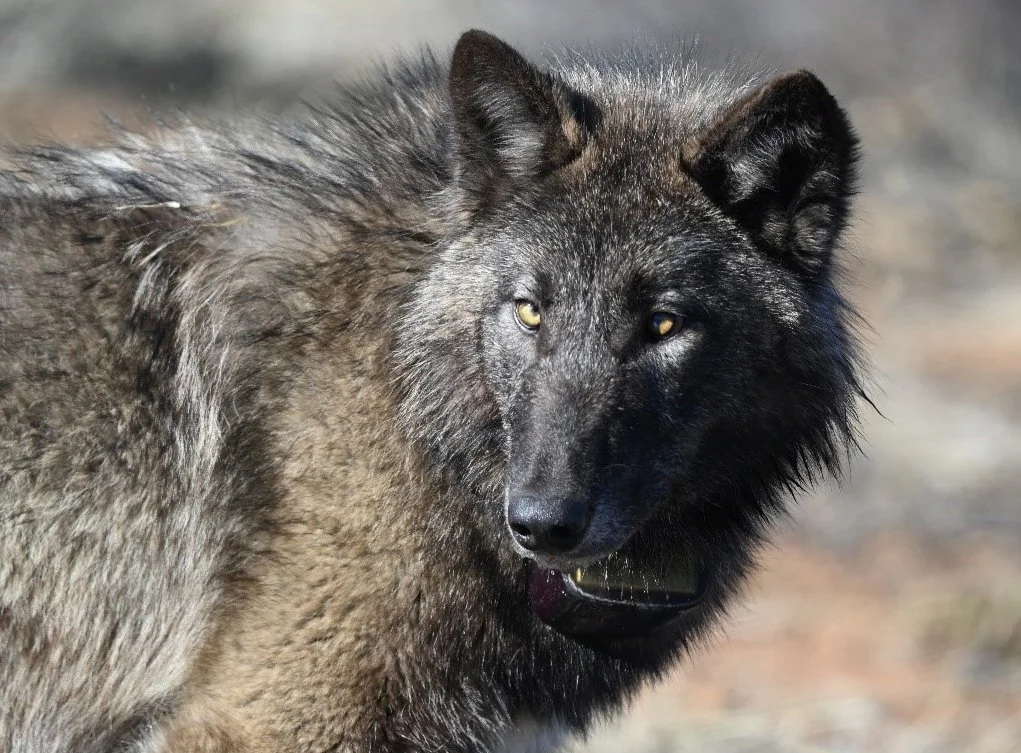
Photo: CDFW (Axel Hunnicut)After nearly a century of absence due to eradication and human pressure, wild wolves are beginning to return to California. Today, the state is home to an estimated 70+ wolves across 10 known packs (California Department of Fish & Wildlife, 2025). As apex predators, wolves help support biodiversity and healthier ecosystems by influencing prey behavior and ecological balance (Ripple & Beschta, 2012).
Their recovery represents an important opportunity to advance science-based coexistence, ethical conservation across California, as well embrace the age-old relationship between humans and wolves.
Women for Wolves supports wolf conservation through non-invasive research, coexistence partnerships, fieldwork, and community-centered initiatives focused on protecting wolves and empowering communities.wolf conservation
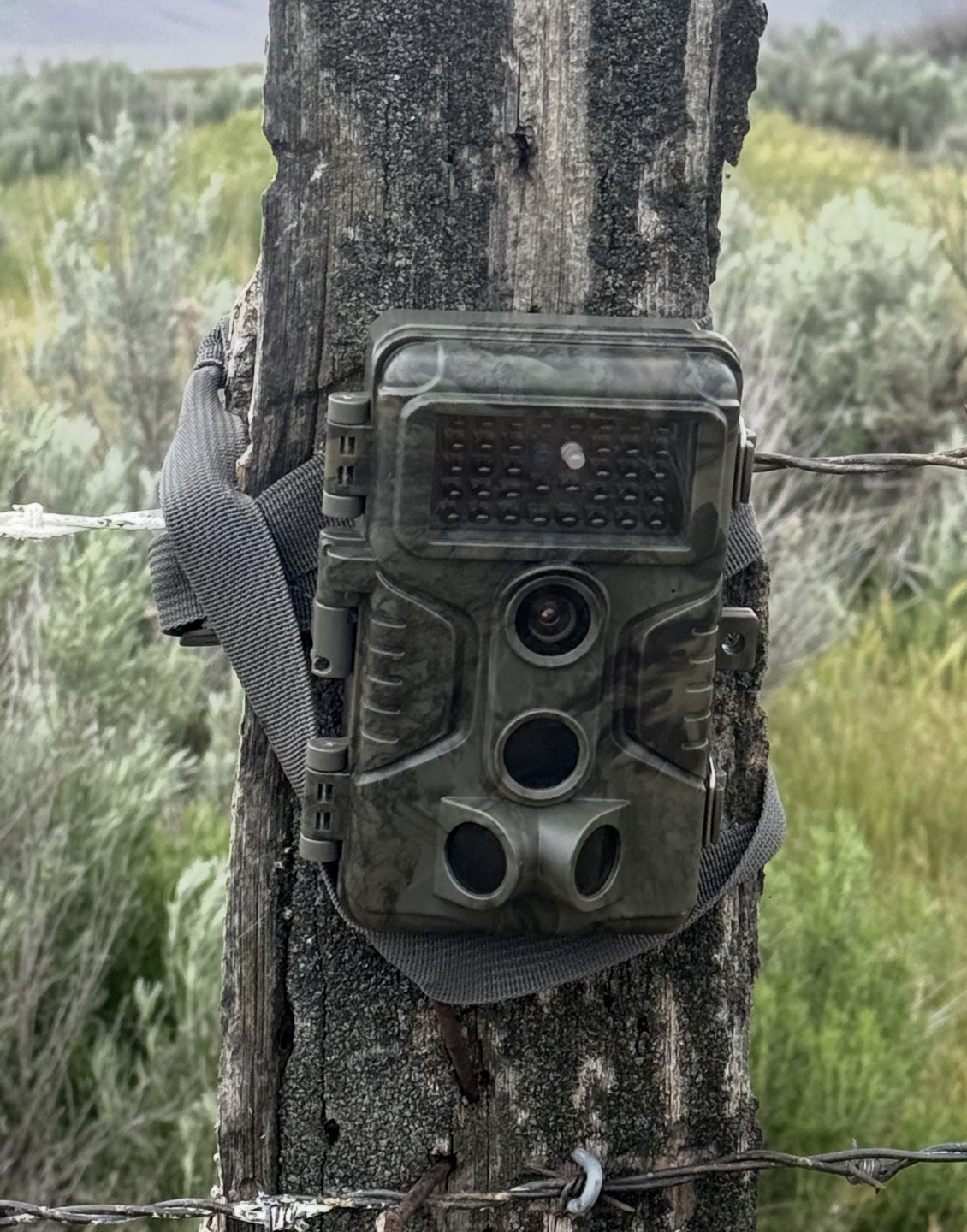
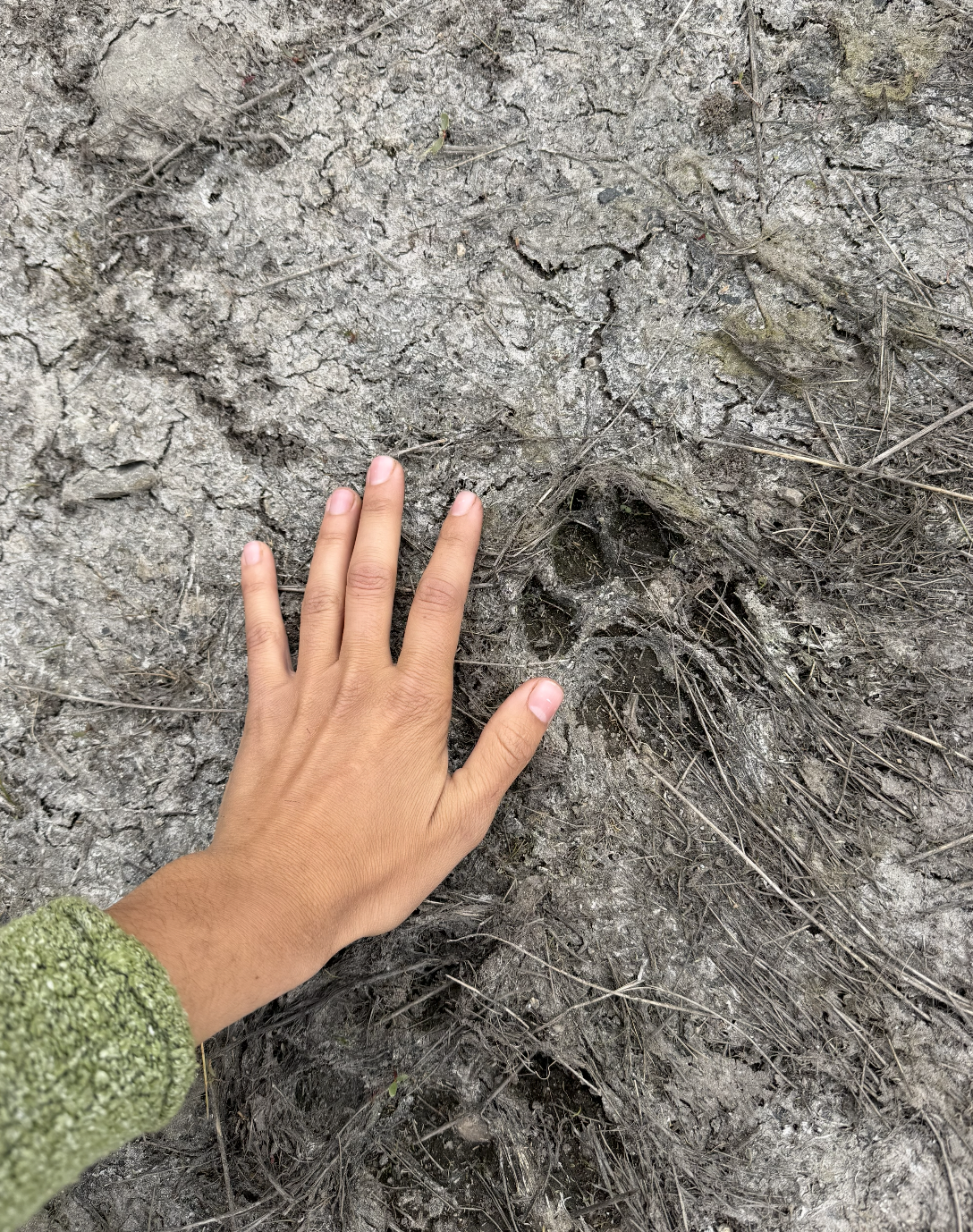
California wolf research, trail camera monitoring, movement ecology, and coexistence-focused field studies.
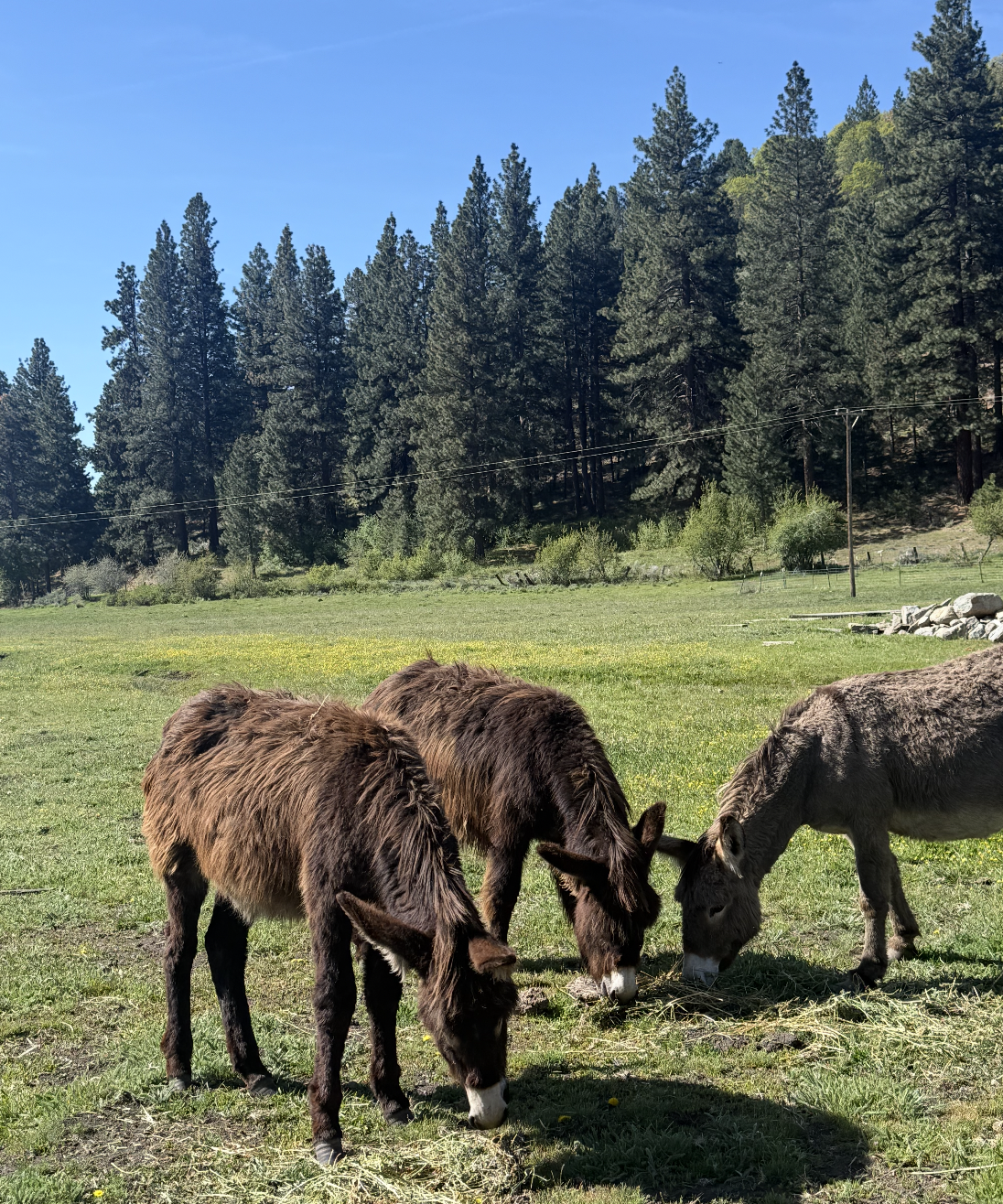
Coexistence research, exploring non-lethal deterrent tools, guardian animal strategies, & community-centered approaches to living alongside predators.
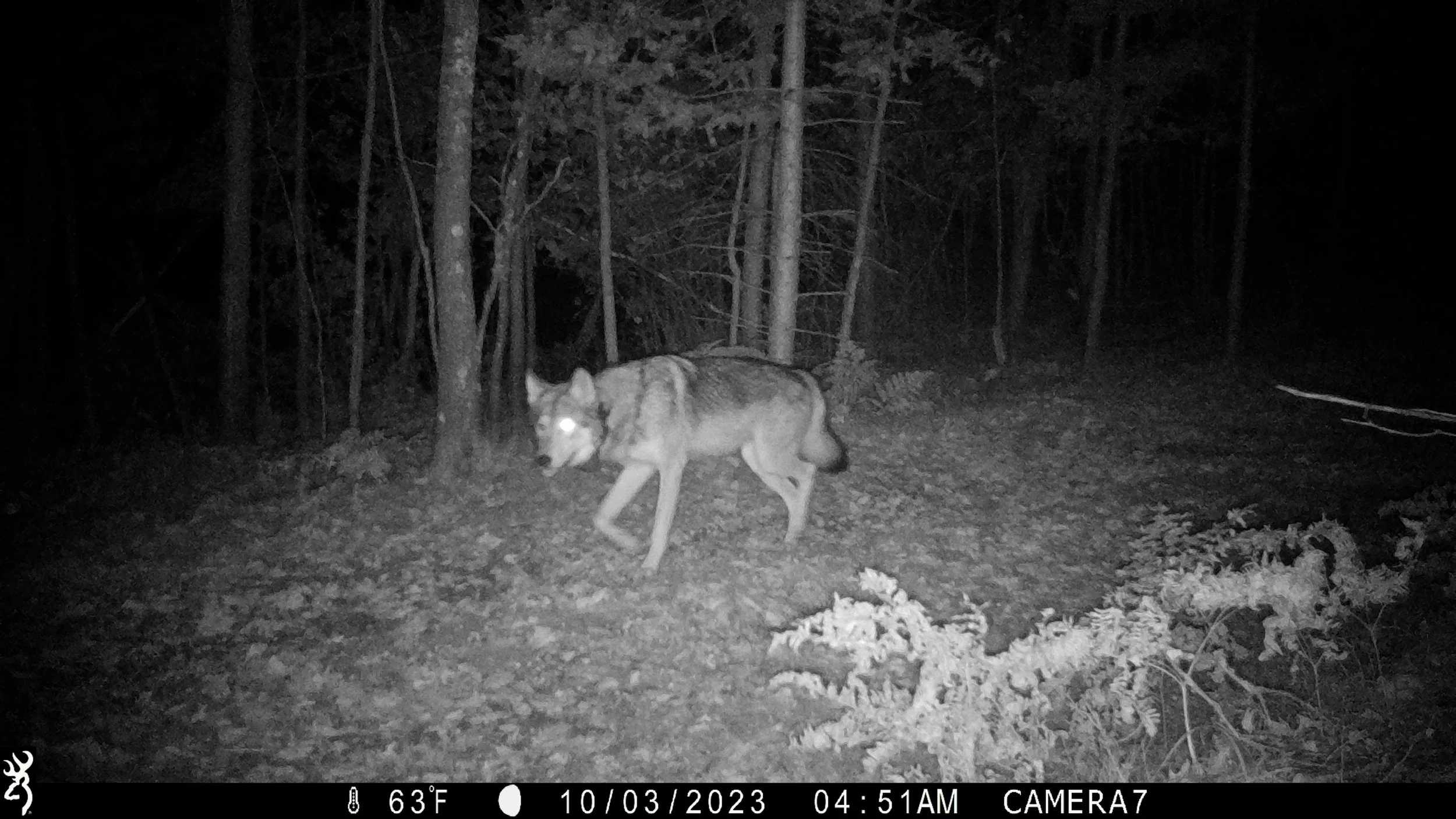
The Wolf Footage Grant Program is a micro-grant initiative that partners with landowners to advance wolf research & coexistence.
Protecting wildlife means finding better ways to live alongside it.
Women for Wolves works with ranchers, researchers, Tribal partners, conservationists, technology companies, and communities to advance practical solutions that reduce human-wildlife conflict and keep wildlife wild.
Our approach combines fieldwork, collaboration, emerging technology, research, and storytelling—because lasting conservation has to work for both wildlife and the people who share the landscape with them.
coexistence in the field
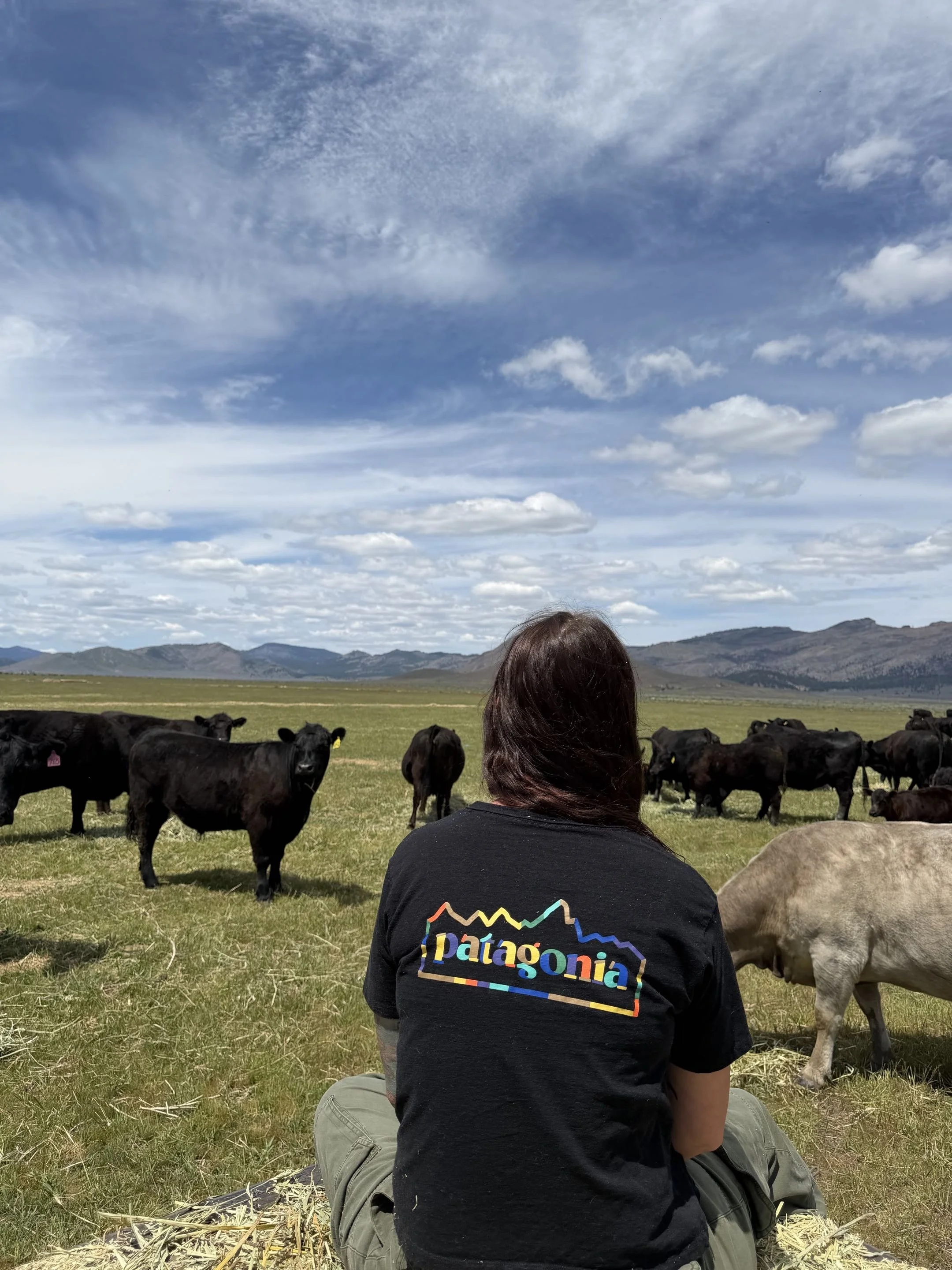
Working alongside the people who share the landscape.We work directly with ranchers and landowners in California wolf country to understand what's happening on the ground: what's working, where challenges remain, and how proactive practices can reduce conflict before it happens.
Indigenous Perspectives on Wolves
Our partners at The Bear Project of the Oglala Lakota Nation, Teton and Adonis Saltes share the cultural significance of wolves and perspectives on humanity’s relationship with nature: offering a contrast to the fear-based narratives often shaped by Western ideology.
Cactus is a conservation detection dog helping to track & protect wolves
Cactus is supporting non-invasive wolf research through specialized training. By helping locate signs of wolf presence in the field, he will gain valuable experience tracking wildlife and observing wolf behavior. These skills could support future collaborations with wildlife agencies and researchers working to better understand recolonizing wolves and advance science-based, non-lethal conservation strategies.
Share Your Coexistence Story