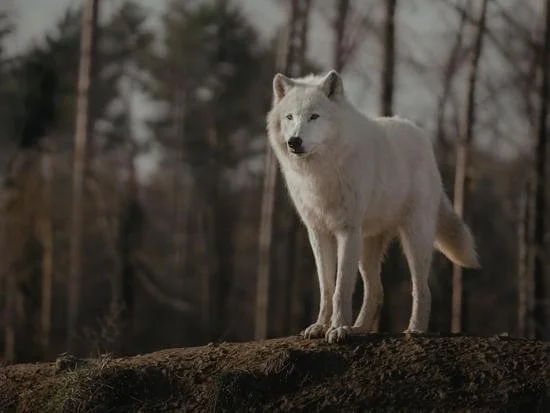
Wolf footage grant program
Video: Voyageurs Wolf Project
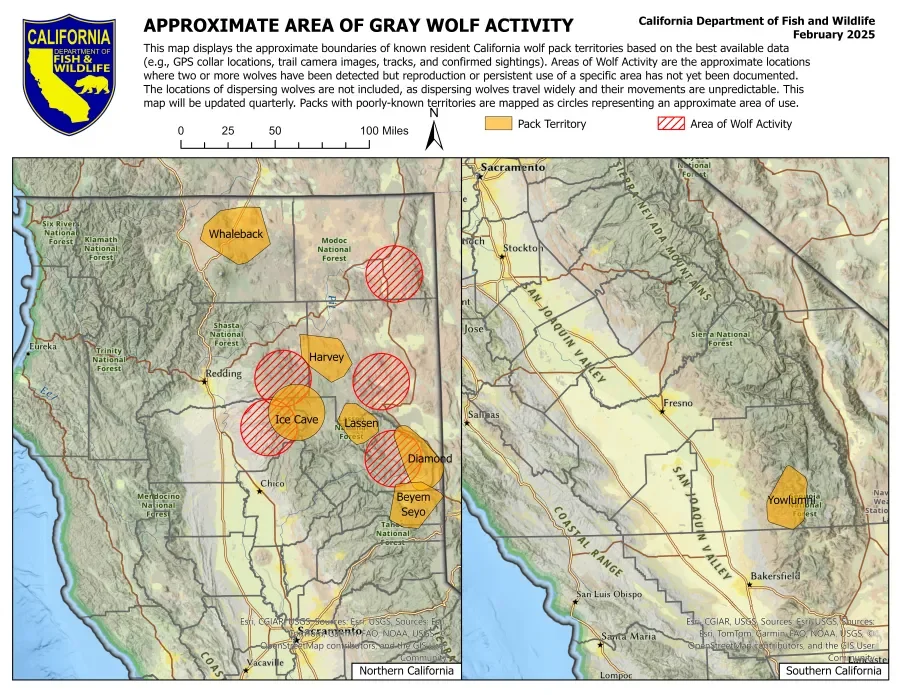
Wolves are returning to landscapes across California, and ranchers or landowners are often the first to witness their arrival! The Wolf Footage Grant Program is a micro-grant initiative that partners with landowners to advance wolf research & coexistence.
Submitted footage supports research by WFW wildlife biologists Dr. Anna Doty and Dr. Omar Khayem, helping improve our understanding of wolf behavior and inform science-based, nonlethal coexistence on working lands.
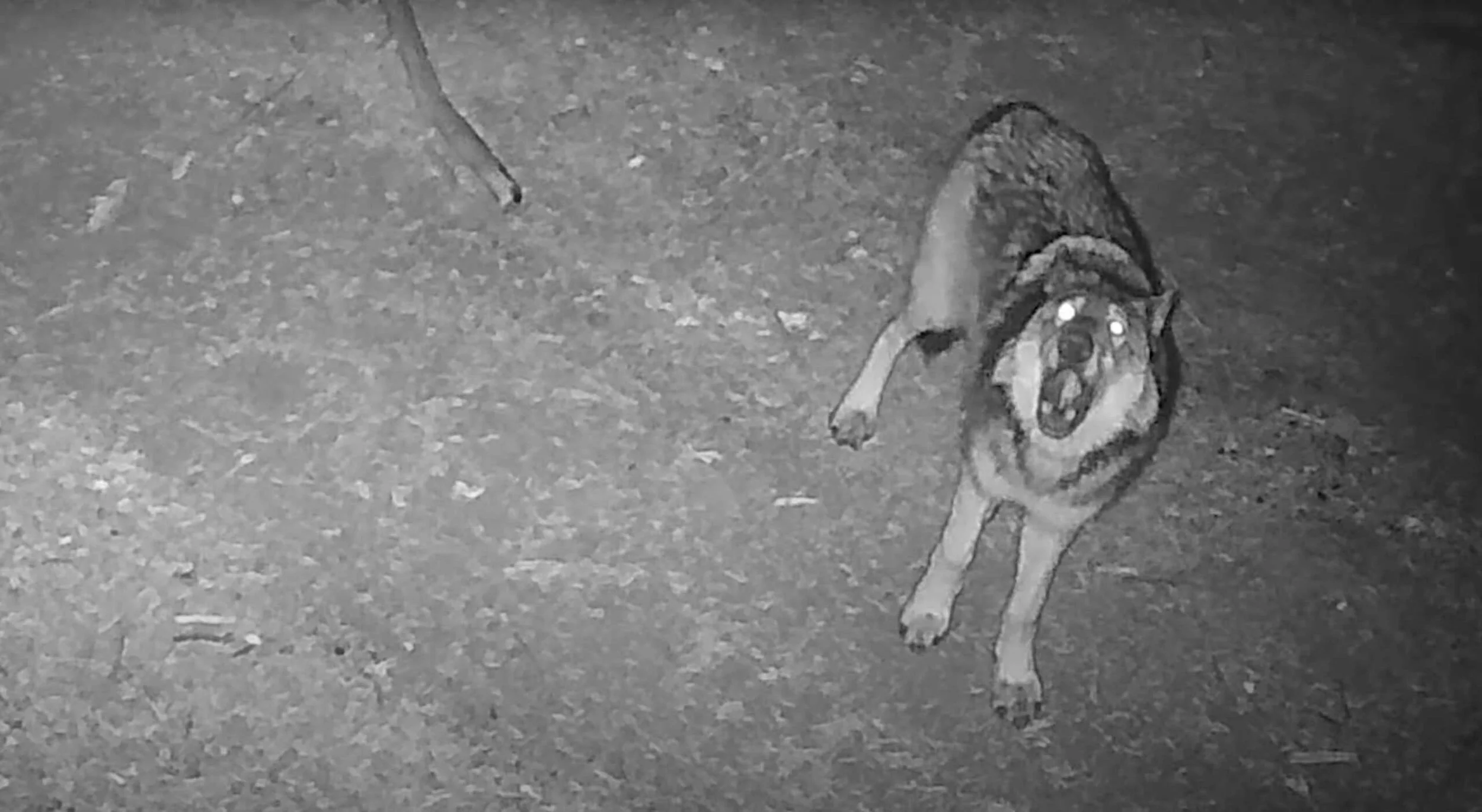
Image: California Department of Fish & Wildlife
Learn more about our research team and our on the ground work to protect wolves in CA.
How to Participate
Submit your footage via Google Drive Link to reena@womenforwolves.org
Include basic details (date, location, context)
Our team reviews and follows up within 1–2 weeks
Compensation is provided upon acceptance via Paypal, Zelle, Venmo, Wire Transfer or Apple Pay.
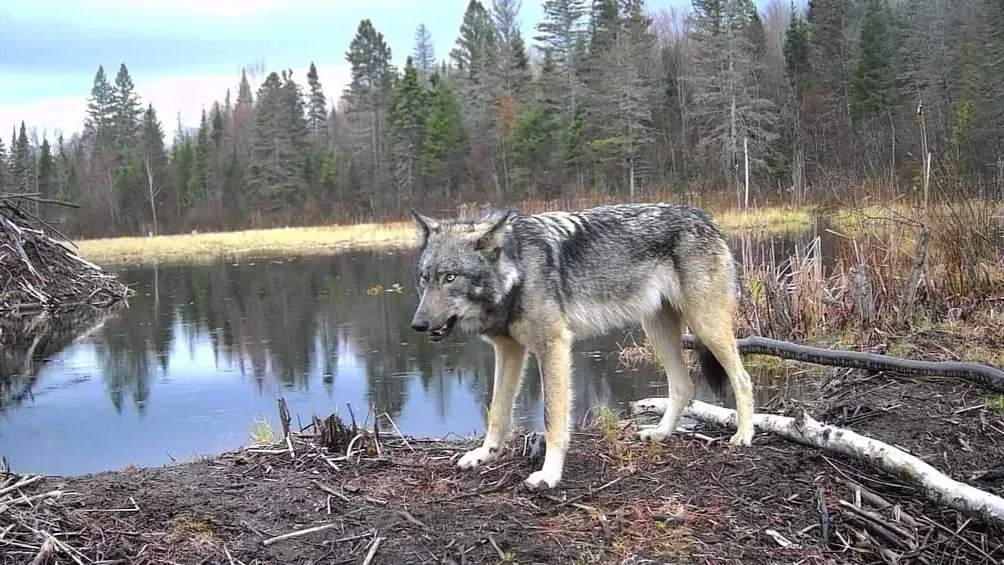
Micro-Grant Compensation
Compensation is based on the quality and research value of footage:
$50–$150
Short clips or single sightings with clear wolf presence
$150–$400
Behavioral footage (pack dynamics, repeated visits, movement patterns)
$400–$1,000+
High-value or rare footage that significantly contributes to research
Ongoing contributors may receive:
Seasonal stipends
Equipment support (trail cameras, SD cards)
Continued collaboration opportunities
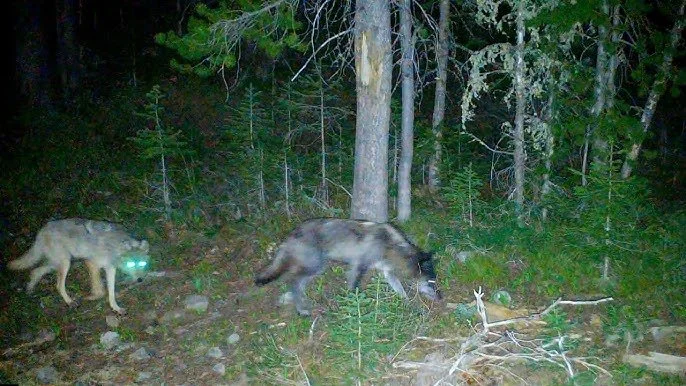
Image: Janet Pesaturo
Why participate?
By sharing footage, you are:
Supporting real scientific research on wolves
Helping develop nonlethal coexistence strategies
Contributing on-the-ground knowledge from working landscapes
Building a direct relationship with researchers
Ensuring rural perspectives are included in wolf science
What we’re looking for
We welcome:
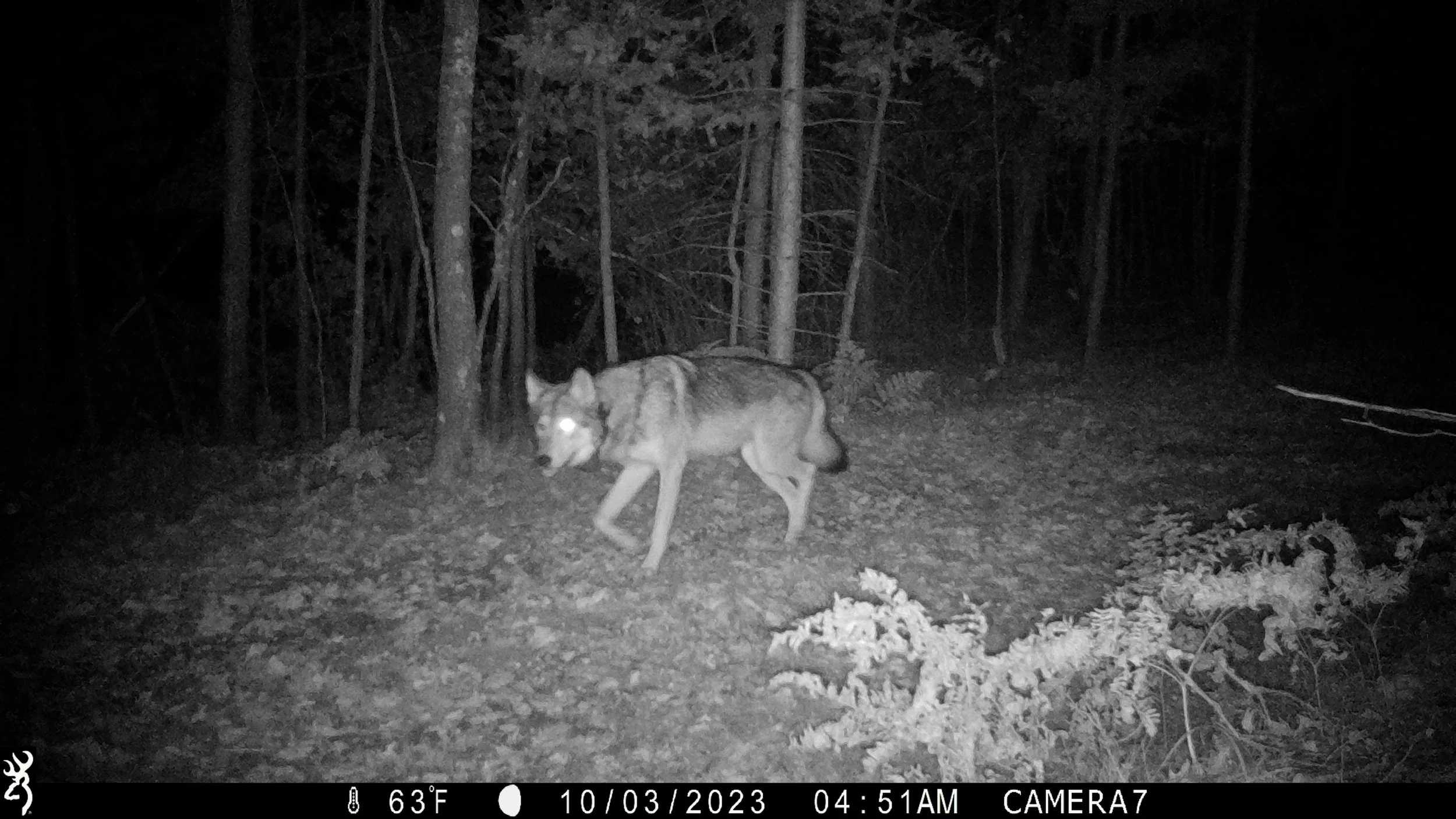
Trail camera footage of wolves
Phone videos of sightings or tracks
Pack movement or repeated presence
Interactions with landscape or livestock (non-graphic)
Seasonal patterns or behavioral observations
Footage does not need to be professional—clear, honest documentation is most valuable.
A relationship-first approach
This program is built on respect.
We aim to:
Work collaboratively with landowners
Share findings back with participants
Support solutions that work for both livelihoods and wildlife