
california wolf research
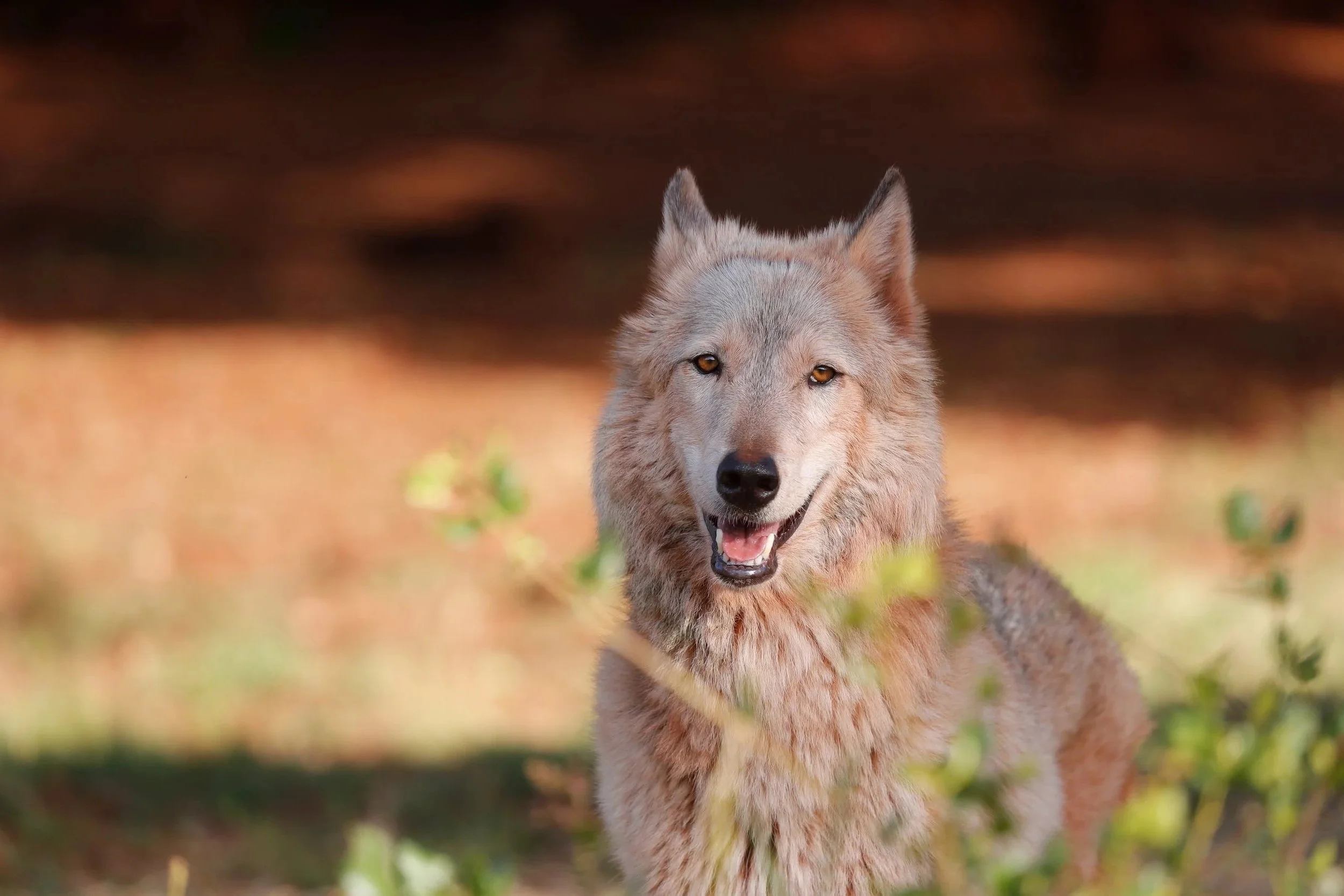
Reimagining wolf & predator research in California: led by women, guided by Indigenous leadership, and grounded in compassion-first conservation.
mission statement
As wolves return to California, the Pacific carnivore Research Consortium advances a proactive model of wolf recovery grounded in non-invasive science, Indigenous knowledge, and ethical conservation. By studying wolf diet and behavior through methods like fecal analysis and remote trail cameras, we generate research and education that supports coexistence, and informs a more compassionate, science-driven future for wildlife management.
What We Plan to Study
By studying these patterns, we can build a clearer picture of how wolves are establishing themselves in modern California ecosystems. This knowledge is essential for informing science-based conservation strategies, reducing conflict, and supporting long-term coexistence while ensuring wolves are protected as they return.
1. Wolf movement, dispersal, and pack formation
Studying wolf pack behavior, territory use, prey dynamics, and movement patterns across changing and fire-adapted landscapes.
Includes post-fire habitat use, disturbance ecology, and corridor connectivity.
2. Post-Fire & Disturbance Research
Examining how wolves interact with burn scars, forest management zones, and regenerating ecosystems. Assessing how wildfire, logging, and restoration practices influence wolf-prey relationships and livestock overlap.
3. Indigenous Science & Place-Based Knowledge
Integrating Traditional Ecological Knowledge (TEK) into wolf research design, interpretation, and landscape understanding.
Collaborating with Tribal wildlife departments and cultural practitioners to center relational ecology.
4. Non-Lethal Coexistence & Conflict Prevention
Researching, testing, and promoting effective non-lethal deterrents to reduce livestock conflict and prevent reactive killing. Including: Fladry, Range riders, Carcass management, Guardian animals, Adaptive grazing strategies & Post-fire grazing adjustments.
5. Policy Translation & Public Science
Turning research findings into: legislative recommendations, agency guidance, coexistence funding advocacy, & educational programming.
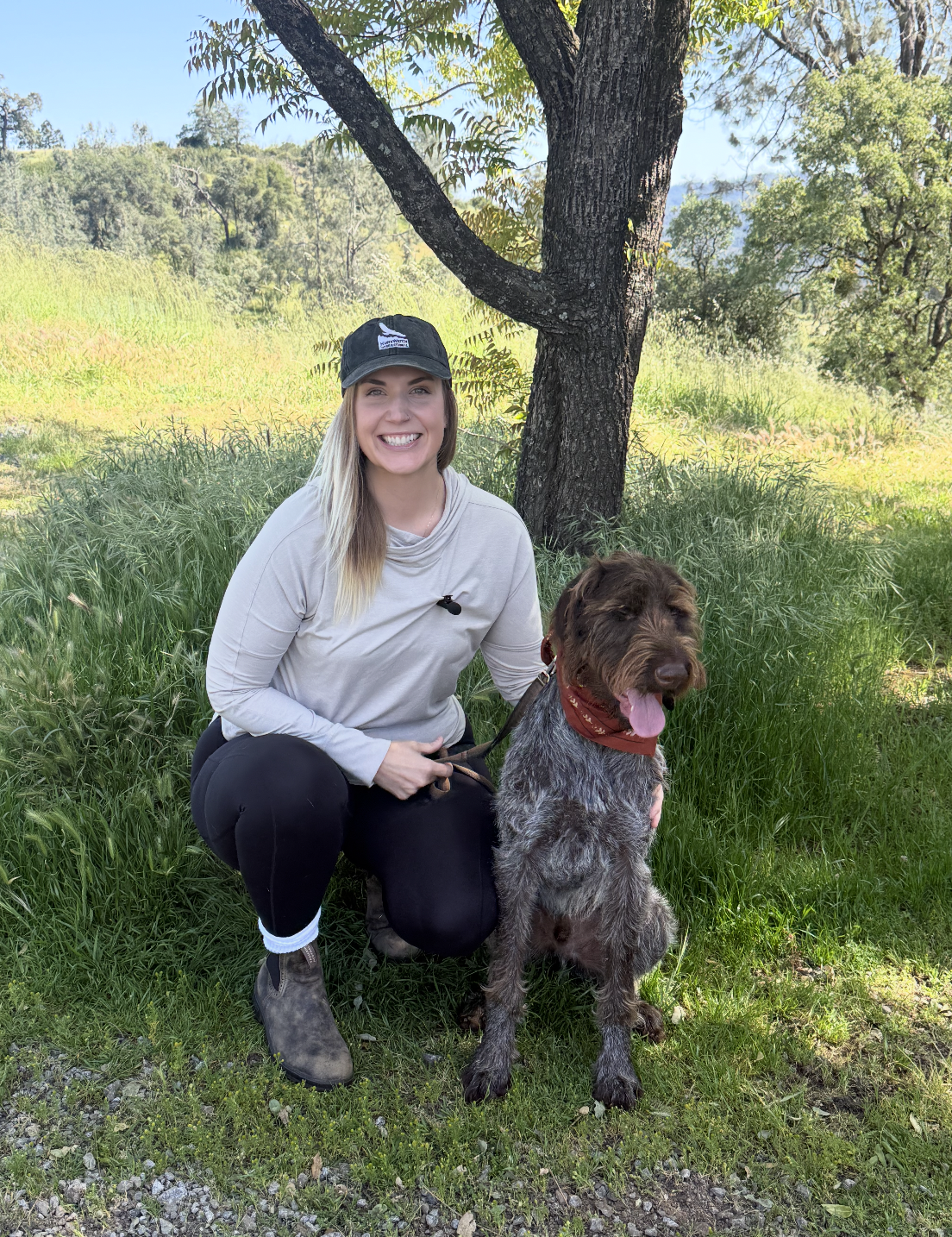
Help Cactus Track California’s Wolves
Cactus isn’t just a dog—he’s a conservation specialist. With specialized training, he’ll help locate wolf scat in the wild, giving scientists the data they need to understand diet, genetics, and ecosystem health—without disturbing the animals.
Your $200/month support funds his training and puts non-invasive, science-driven wolf recovery into action.
From Research to Coexistence
This work will extend beyond data collection.
Findings will be translated into:
Public education and storytelling
Coexistence strategies and tools
Policy and agency recommendations
Community awareness and early intervention
By connecting research directly to outreach, we aim to help shape a future where coexistence is proactive—not reactive.
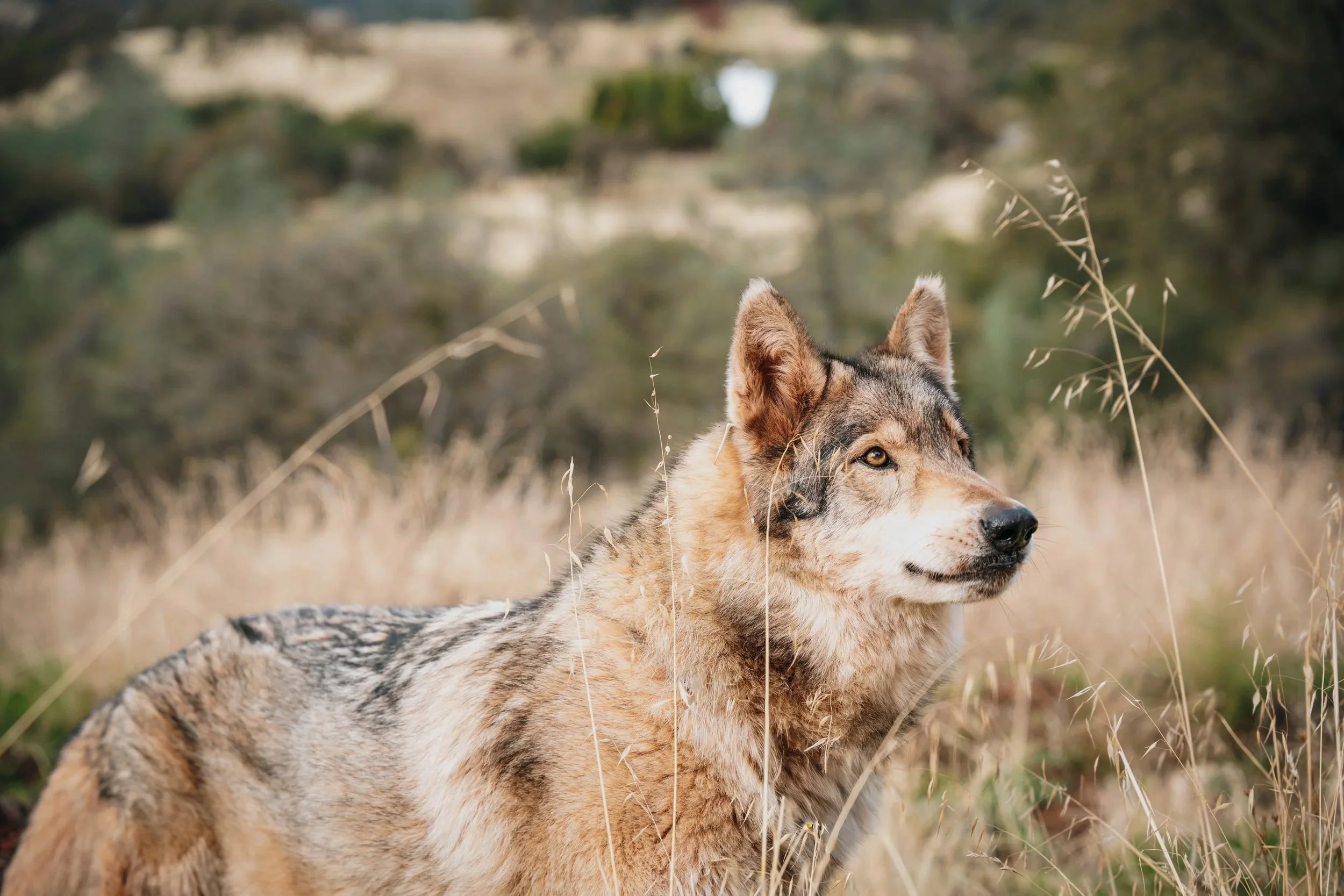
Fund a Trail Camera
One of the first steps in building this project will be establishing a trail camera network.
Trail cameras will allow us to:
Monitor wolf movement without disturbance
Document wildlife use across key habitats
Gather early ecological data in recolonizing landscapes
Support education and storytelling through visual evidence
Your support will help fund:
Camera equipment and field supplies
Batteries, memory storage, and maintenance
Data collection and analysis
Long-term monitoring capacity
This is not just funding equipment—it is helping build an ethical, non-invasive foundation for wolf research in California.
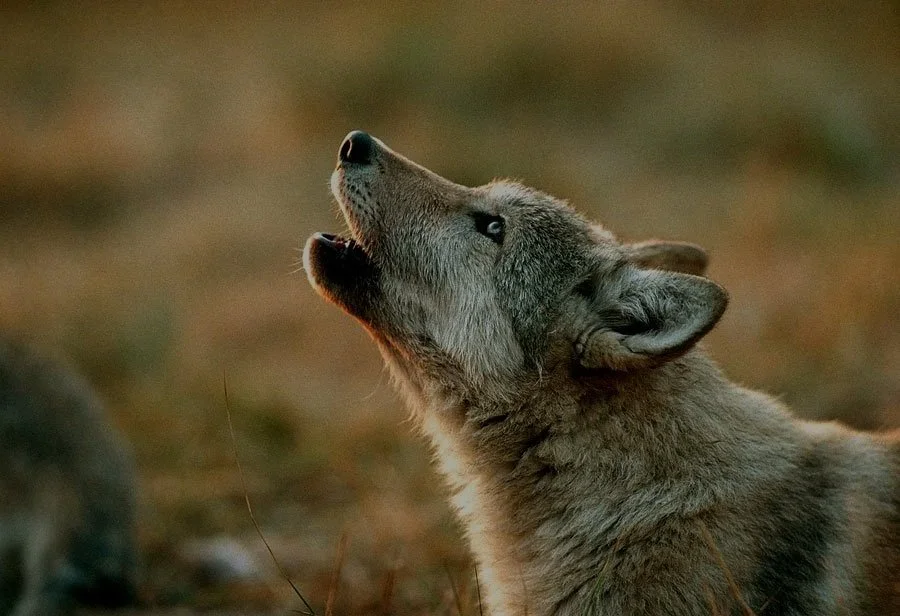
A Project in Development
This research initiative is currently in development.
Early support will help lay the groundwork for a long-term effort to study, understand, and support wolves returning to California—while building a model for conservation rooted in ethics, Indigenous knowledge, and coexistence.
Our Research Team

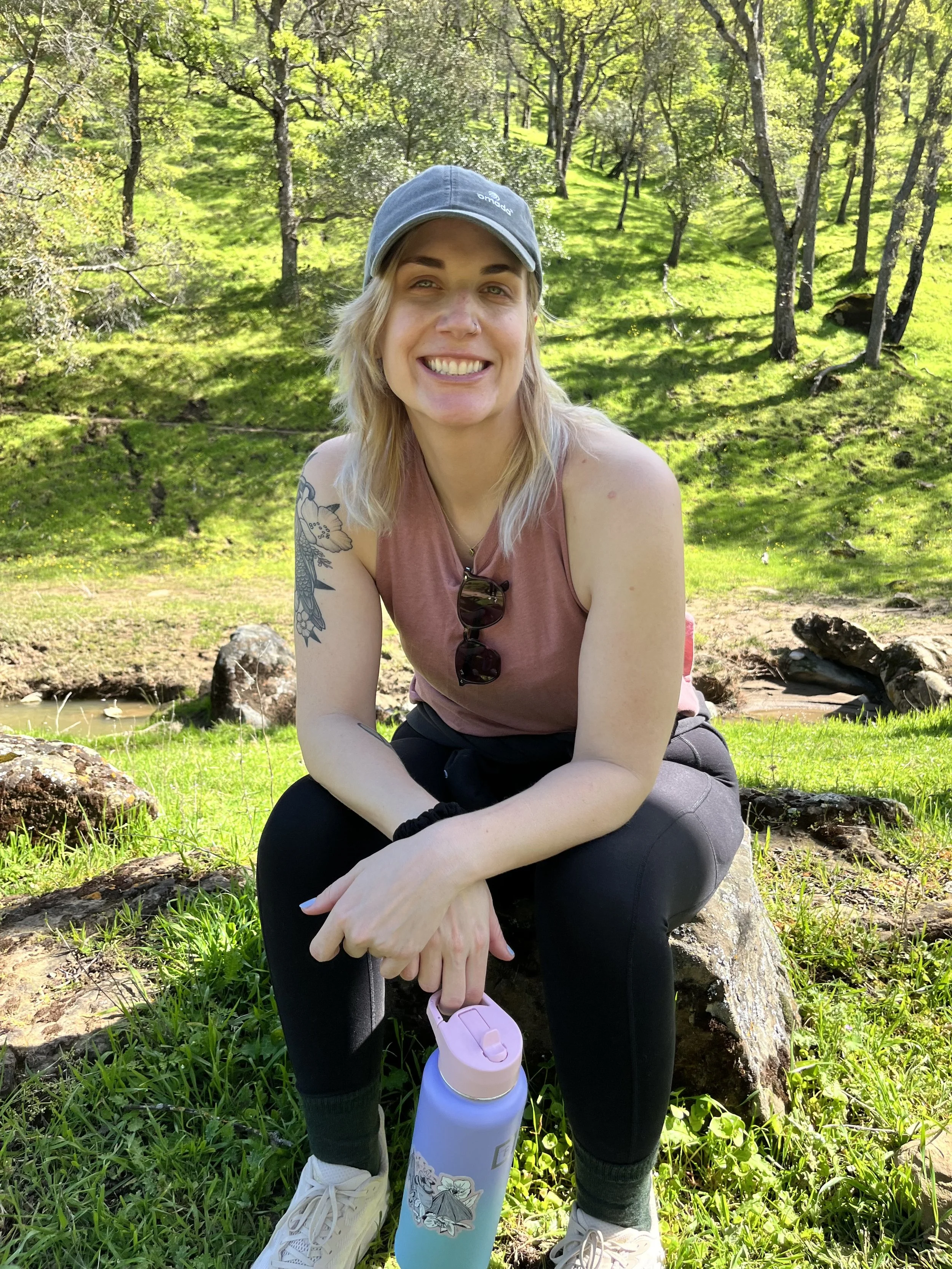
Anna Doty
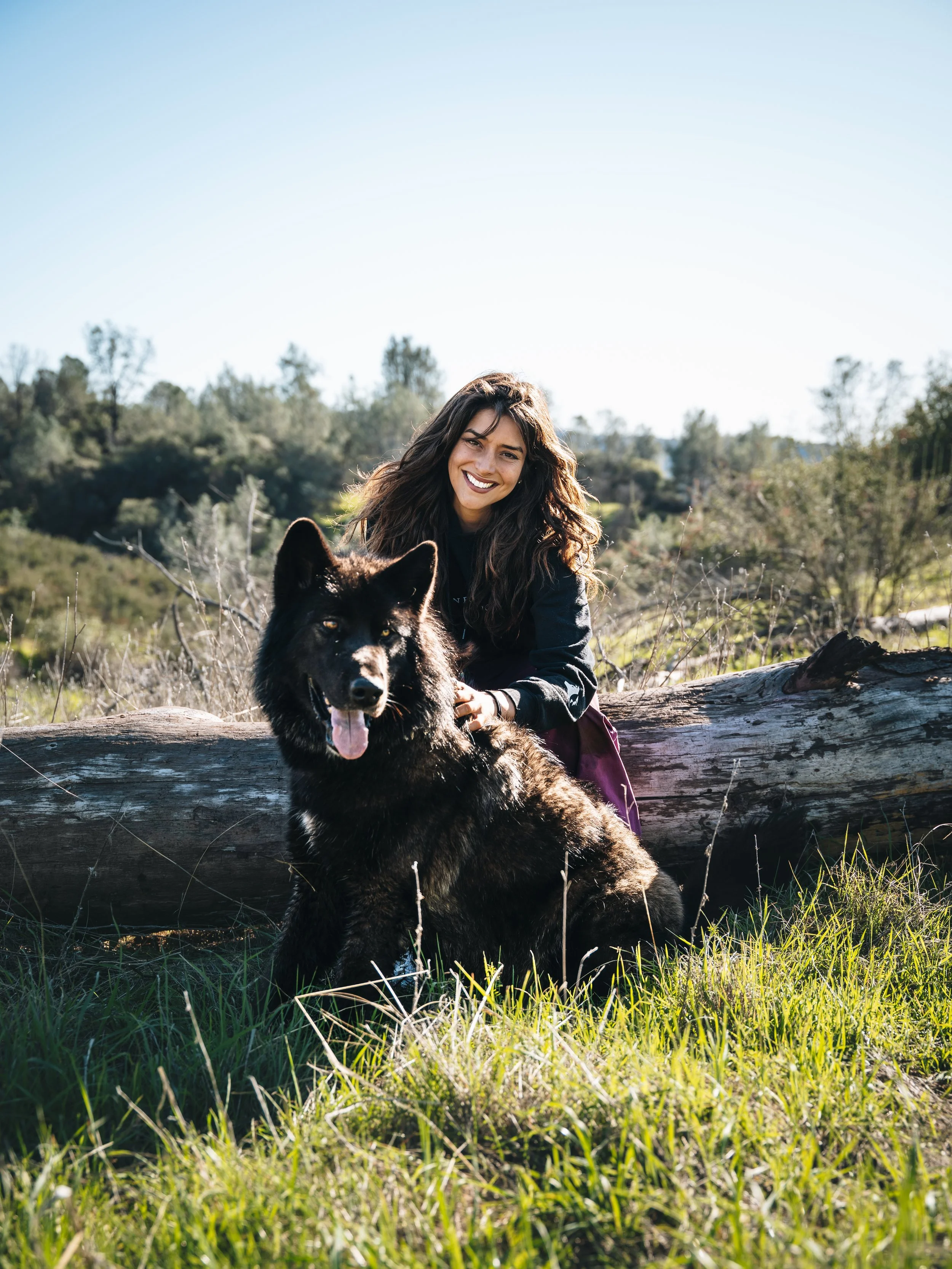
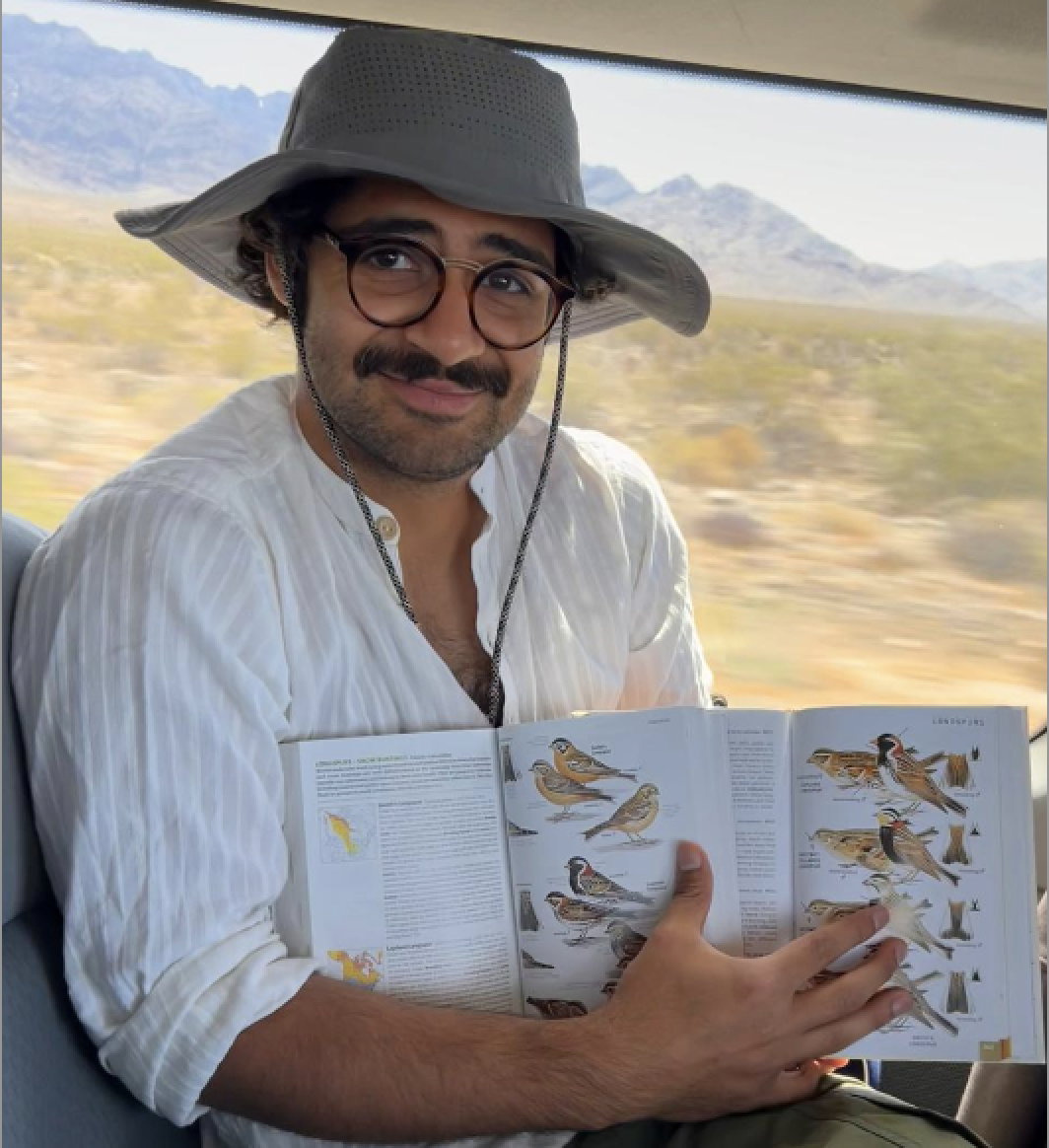
Omar Khayam
Anjali Ranadive
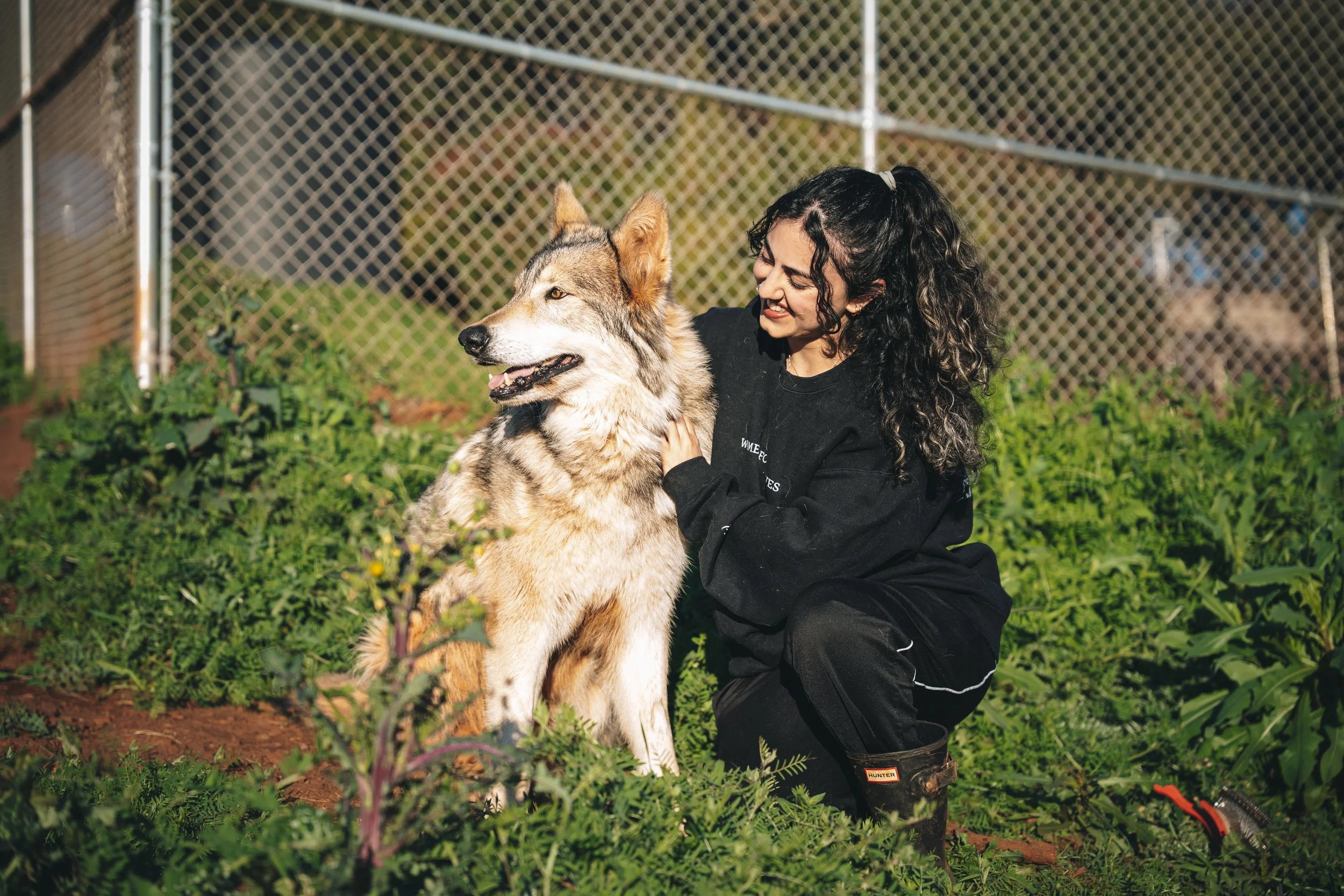
Tara Dehdari
“The return of wolves to Yellowstone triggered a trophic cascade that altered the structure and function of the ecosystem.”
— William J. Ripple & Robert L. Beschta (Ecological Monographs)