
The Ranch That proved Wolf Coexistence Works
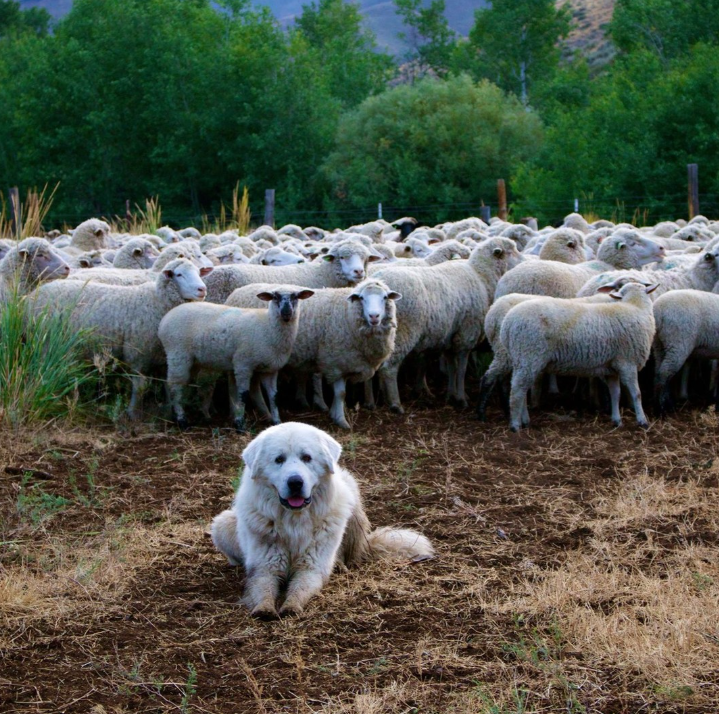
How the Wood River Wolf Project Protected Livestock Without Killing Wolves
For decades, the dominant narrative around wolves and livestock in the American West has been simple: wolves return, livestock losses increase, and lethal control becomes the default response. The Wood River Wolf Project in Idaho challenged that narrative — and proved a different path is possible.
In the Wood River Valley of central Idaho, sheep ranchers faced a reality many Western producers know well: wolves had returned to the landscape. Conflict felt inevitable. Traditionally, the response to wolf depredation has focused on reacting after losses occur, often through lethal removal of wolves. But a group of ranchers and conservation partners chose a different approach — prevention.
Their question was simple:
What if the goal was to stop conflict before it happens?
The answer became one of the most influential coexistence projects in the American West.
Photo: Wood River Wolf Project
A Radical Idea: Prevent Conflict Instead of Reacting to It
The Wood River Wolf Project was launched through collaboration between ranchers, conservation organizations, and wildlife professionals. Rather than relying on lethal control, the project implemented a suite of proactive, non-lethal tools designed to reduce the risk of wolf-livestock conflict.
These tools included:
• Range riders who monitored flocks and wolf activity daily
• Livestock guardian dogs to deter predators
• Electrified night corrals to secure sheep during vulnerable hours
• Removal of attractants that could draw wolves near livestock
• Increased human presence on the landscape
• Non-lethal deterrents to discourage wolf approaches
Instead of responding after depredation occurred, the project focused on constant monitoring and early intervention.
This shift from reaction to prevention would prove transformative.
Protecting Thousands of Sheep Each Year
Over more than six years, the Wood River Wolf Project protected between 10,000 and 27,000 sheep annually without resorting to lethal wolf control.
This outcome challenged long-held assumptions about predator management. It demonstrated that livestock protection and wolf conservation do not have to exist in opposition. With the right tools, planning, and collaboration, both can succeed.
The project became one of the most widely cited examples of successful wolf-livestock coexistence in North America and has influenced coexistence programs across the West.
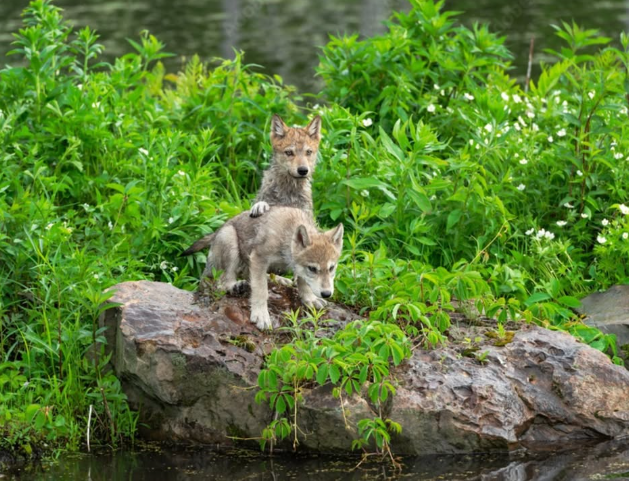
Curious wolf pups exploring their habitat — a reminder of what coexistence helps protect.
Photo courtesy of Wood River Wolf Project | Instagram @woodriverwolfproject
Why It Worked
The success of the Wood River Wolf Project was not accidental. It was built on a foundation of collaboration and shared goals.
Ranchers wanted to protect their livelihoods.
Conservationists wanted to protect wolves.
Both groups wanted to reduce conflict.
The project worked because stakeholders recognized their shared interest: preventing loss and reducing conflict benefits everyone.
By investing in prevention, the project reduced the need for reactive lethal control and fostered trust among groups that are often portrayed as being in opposition.
Science Supports Prevention
Research increasingly shows that proactive, non-lethal tools are among the most effective ways to reduce wolf-livestock conflict. Prevention strategies address the root causes of depredation risk rather than responding after losses occur.
The Wood River Wolf Project helped demonstrate that prevention-based coexistence is not only possible — it is practical, scalable, and effective.
This model has since informed coexistence efforts across the western United States and beyond.
A Model for the Future
As wolves continue to reclaim portions of their historic range, communities across the West face important decisions about how to manage coexistence.
The Wood River Wolf Project offers a powerful example of what is possible when science, collaboration, and proactive management guide decision-making.
It shows that the question is not whether coexistence can work —
it’s whether we are willing to invest in the tools that make it possible.
Moving Forward
At Women for Wolves, we believe the future of wolf conservation depends on solutions that protect both wildlife and rural livelihoods.
The Wood River Wolf Project stands as proof that coexistence is not just an ideal — it is a working reality.
By supporting prevention, collaboration, and science-based management, we can build a future where wolves and communities thrive together.
-
Defenders of Wildlife. Wood River Wolf Project.
https://defenders.orgWood River Wolf Project. Program information and photos.
Stone, S. A., et al. (2017). Adaptive use of nonlethal strategies for minimizing wolf–sheep conflict in Idaho.
Journal of Mammalogy.Wildlife Coexistence Network.
https://wildlifecoexistence.org
About Women for Wolves:
Women for Wolves is a California-based nonprofit working to promote science-based, collaborative, and compassionate wildlife conservation. The organization works at the intersection of research, policy, education, and community collaboration to protect wolves and reduce human–wildlife conflict through coexistence and public education.
Based in El Dorado County, California, Women for Wolves also operates a wolf-dog rescue and sanctuary, providing firsthand insight into behavior, ethics, and coexistence. The organization partners with scientists, Tribal leaders, landowners, and agencies to support solutions that keep both communities and wildlife safe.
Media & Program Inquiries: