
Disease kills most Yellowstone wolf pups, driving survival to record lows
By Anjali Ranadive
Executive Director, Women for Wolves
June 2026
Yellowstone National Park's wolf pups are facing one of the deadliest disease outbreaks recorded since wolves were reintroduced to the park nearly three decades ago.
According to a Wyoming Game and Fish Department report, Yellowstone wolf packs produced at least 36 pups in 2025. By the end of the year, only 17 remained alive (the lowest recorded number of surviving pups since wolves returned to Yellowstone in 1995).
Park officials believe canine distemper virus (CDV), a highly contagious disease that affects carnivores, is likely responsible for much of the decline.
“Patterns suggest disease-related pup mortality,” Yellowstone National Park spokesperson Linda Veress told the SFGATE.
Several Yellowstone packs experienced especially severe losses. No pups survived through December in the Bliss, Cougar Creek, Mollie’s, or Wapiti packs. The Junction Butte pack (one of the most closely watched wolf packs in the world) also saw unusually low pup survival.
The Wyoming Game and Fish report described the decline as a likely result of “a combination of factors including a possible disease outbreak.”
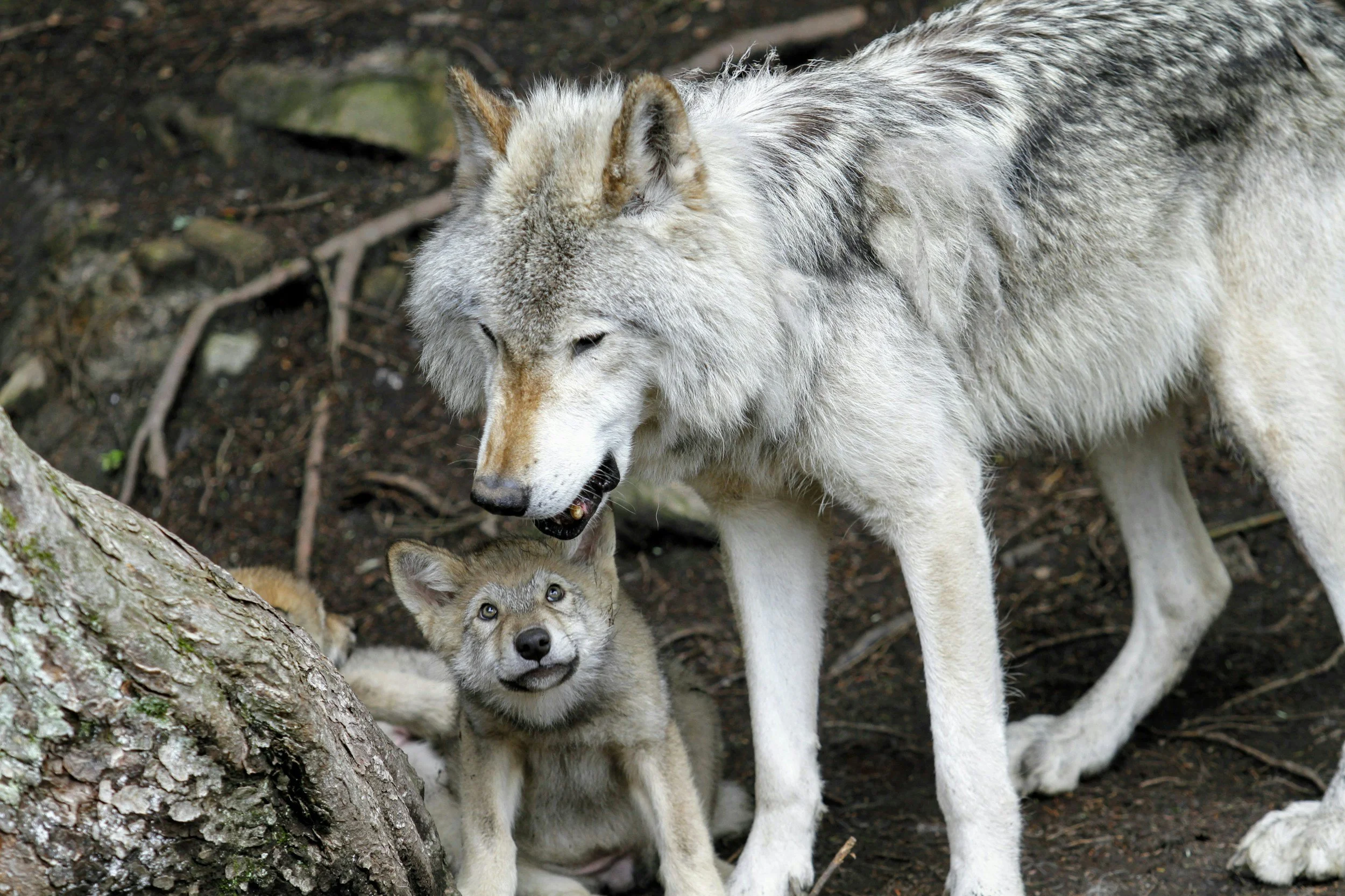
Canine distemper is a naturally occurring viral disease that can infect wolves, coyotes, foxes, raccoons, skunks, and domestic dogs. Similar to measles in humans, the virus spreads through respiratory secretions and is particularly dangerous for young animals whose immune systems are still developing.
Biologists confirmed canine distemper exposure in wolves outside Yellowstone during 2025. In northwestern Wyoming's trophy game management area, only 37% of wolf pups survived. More than half of captured wolves (64%) tested positive for exposure to the virus.
Yellowstone researchers are still analyzing blood samples collected from wolves inside the park, but officials expect similar findings.
“We have not yet confirmed CDV, but Yellowstone biologists predict similar findings of CDV exposure which is likely a contributor to poor pup production in 2025,” Veress told SFGATE.
While the numbers are concerning, wildlife experts say distemper outbreaks are not unprecedented. The virus has been documented in Yellowstone multiple times since wolf reintroduction and typically impacts pups far more severely than adults.
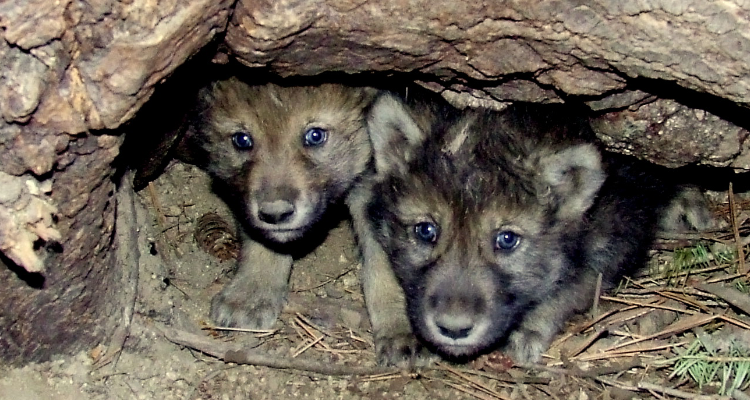
An article published in Yellowstone Science, a National Park Service publication, notes that outbreaks are “particularly lethal for young animals.”
Scientists also believe wolves that survive infection develop immunity, helping populations recover after outbreaks.
“Past outbreaks show that survivors develop immunity and populations rebound,” Veress told SFGATE.
Yellowstone's wolves are currently raising a new generation of pups in dens across the park. Biologists will continue monitoring packs throughout the summer and fall to determine whether survival rates improve following one of the most difficult years for Yellowstone's wolves in recent history.
Sources: SFGATE (2026); Wyoming Game & Fish Department (2025); Yellowstone Science (National Park Service).
We’re a nonprofit
Help us tell impactful stories about wolves, wildlife, and coexistence. Your tax-deductible donation supports independent conservation journalism, education, advocacy, and on-the-ground impact.
Women for Wolves has earned Candid's Gold Seal of Transparency.
EIN: 46-5594240
Checks: PO Box 1092, Carmichael, CA 95609